
Recipes from Marche, Italy

For this entry, I made two recipes. Neither of them were especially good, but I don't blame the people who posted the original recipes or any of the traditions they came from, I blame myself and my propensity for Googling things that might kill me.

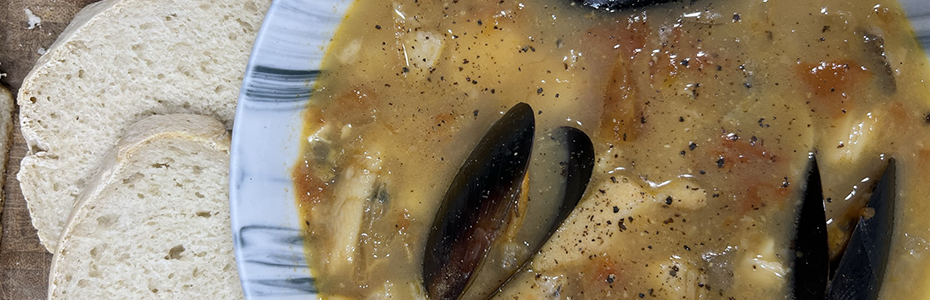
Recipes from Marche, Italy: Brodetto

A seafood stew with mussels and clams, minus the Vibrio.

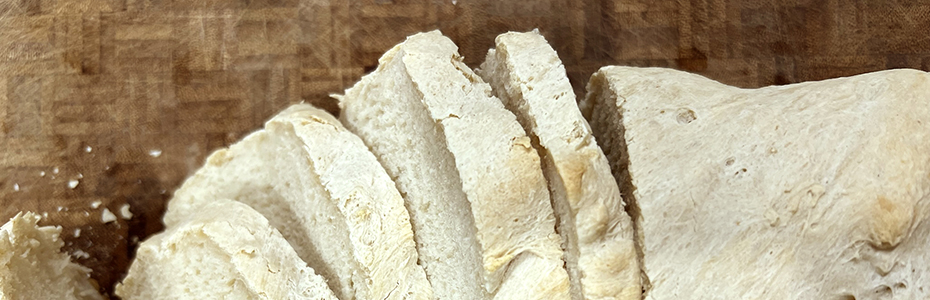
Recipes from Marche, Italy: Filone Casereccio

An Italian bread that will come out much better than mine did if you use fresh brewer's yeast and steam.

Recipes from Malta

This is actually the third time I’ve cooked a meal from Malta. The first time, I cooked the meal and then just did not write the blog post. Years went by.

Recipes from Malta: Imqarrun

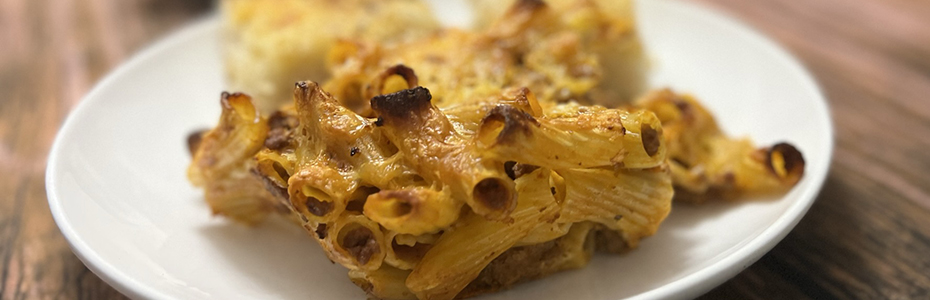
Imquarrum (also called Imqarrun il-forn) is descended from a dish served in Sicily, but the Maltese have adopted it as a traditional staple. The key to making this dish is to be patient.

Wednesday, December 13, 2023

Recipes from Marche, Italy


For this entry, I made two recipes. Neither of them were especially good, but I don't blame the people who posted the original recipes or any of the traditions they came from, I blame myself and my propensity for Googling things that might kill me. It just so happens that shortly before I made this meal, I learned that the reason you're supposed to boil shellfish alive is because it contains Vibrio, which sounds like a lovely genre of orchestral music with harpsichords and violins and stuff but is not.

Vibrio is a bacteria that proliferates out of control beginning in the moment immediately following the death of the animal that harbors it. According to the CDC, eating food infected with Vibrio causes either a mild illness or certain death, I can't quite tell which one. Apparently, people who are exposed to Vibrio parahaemolyticus usually just get sick but around 1 in 5 of those exposed to Vibrio vulnificus die, so maybe it's best to avoid all types of Vibrio just to be on the safe side.

Anyway prior to obtaining this information I put some frozen clams and frozen oysters into my shopping cart for the occasion of making food from Marche, Italy, and then I walked around the store for another 45 minutes and then I spent another 90 minutes in the car driving home, giving Vibrio more than two hours to make themselves and several thousand generations of their children at home in my food. I did actually boil the crap out of the oysters and clams in fear for the lives of myself and my children but by then the mental block was already there. So I did not enjoy the meal, but I should also add that I really think I just don't like all the weird little bits of strange-looking things that go along with eating shellfish, so I was extra-predisposed to not liking this particular culinary experience. 

Where is Marche?

Having said all of that, Marche is a region in the central part of Italy. It's home to around 1.5 million people and has a 107-mile-long coast, hence its apparent love of seafood. It does have some other specialties like Maccheroncini di Campofilone, a very thin pasta that in retrospect would have been fun to make and wouldn't have made me fear for my life, but it's too late to go back now. 

Here's what I made. Eat shellfish at your own risk. Definitely don't let it defrost for 2-plus hours. 

Good luck to you all. 


(Header photo by trolvag is licensed under the Creative Commons Attribution-Share Alike 3.0 Unported license.)

Recipes from Marche, Italy: Filone Casereccio

It could have baked for longer, plus I did not use the water tip, hence the lame-looking crust.

Ingredients

  • 7.2 cups bread flour
  • 2 3/4 cups water
  • 3 g fresh brewer's yeast
  • 2 1/4 tsp fine salt

Instructions

  1. Mix the flour with 2 2/3rds cup water and let rest for half an hour.
  2. Meanwhile, dissolve the brewer's yeast in the remaining water.
  3. Add the dissolved yeast and the salt to the dough and knead (or just put it in your bread machine).
  4. Put the dough in the refrigerator and leave overnight.
  5. About an hour before you're ready to bake, take the dough out of the fridge and let it sit at room temperature. Then divide it into two loaves and let it rise for 2 hours.
  6. Make three diagonal slits across the top of each loaf.
  7. Bake at 425 degrees for 20 to 30 minutes, or until the loaves are a golden brown color and sound hollow when you knock on them.
  8. *For a crustier crust, put some water in a metal pan on the bottom rack of the oven and let it heat up as the oven does. The steam will help the loaves form a crust as they bake.

What we thought:

 My brewer's yeast was not fresh brewer's yeast, which is probably why this bread came out dense. This is not the fault of the recipe, but my results were pretty mediocre. I also did not use the water trick mentioned in step 8, which is why my crust looks as boring as it does.

My kids liked it. To be fair, though, they like all bread.


Recipes from Marche, Italy: Brodetto


If you aren't afraid of it, I'm sure it's delicious.

Ingredients

For the stock:
  • Fish bones, (saved from the plaice and mullet) chopped into about 6 pieces
  • 1.5 quarts of water
  • 1 white onion, sliced
  • 1/2 fennel, sliced
  • 1 celery stick, sliced
  • 2 garlic cloves, sliced
  • 1 handful of parsley stalks
  • 3 sprigs of thyme
  • Olive oil as needed
  • Salt to taste
For the stew:
  • 1 plaice, filleted, reserving the bones
  • 1 mullet, (red or grey) filleted, reserving the bones
  • 4 large prawns, or 8 smaller ones
  • 5 oz mussels, cleaned
  • 5 oz clams
  • 1 white onion, thinly sliced
  • 1/2 fennel, thinly sliced
  • 1 celery stick, thinly sliced
  • 2 garlic cloves
  • 8 San Marzano or Roma tomatoes, roughly chopped
  • 1 tbsp fennel seeds
  • 1 tsp coriander seeds
  • Olive oil as needed
  • Salt to taste

Instructions

  1. Cook the onion, fennel, and garlic in olive oil until translucent.
  2. Add the fish bones and cover with the water. Bring to a boil, skimming off any foam that collects on the surface.
  3. Add the thyme and parsley.
  4. Reduce the heat and simmer for 45 minutes.
  5. Fry the fennel seeds and coriander in olive oil until fragrant. Add the onion, fennel, celery and garlic. Cook on low heat until translucent.
  6. Add the tomatoes and cook for an additional 5 minutes, stirring often.
  7. Strain the fish stock and add to the pot with the vegetables. Let simmer for one hour or until the liquid is reduced by about a third.
  8. Add the mussels, clams, prawns, and fish. Cover and cook for four or five minutes.
  9. Discard any mussels or clams that did not open.
  10. When the fish is flaky, it's ready to serve.

What we thought:

If you read the introduction to this meal, you already know what we thought. I boiled this long enough that any Vibrio that might have been in it were definitely dead, but I still did not enjoy it. Mental block, like I said.

My kids also did not enjoy it, but it was probably more of an "ew clams and mussels" thing for them than anything else. My husband also did not enjoy it, but he also has an "ew clams and mussels" thing so our assessment is really not completely fair. If you do like shellfish, it's probably delicious.

Wednesday, September 27, 2023

Recipes from Malta: Roasted Garlic Ftira

Ftira is kind of like a giant sourdough bagel. According to the Food and Wine Gazette, it's been around since at least the 16th century, when it was baked in the ovens of the Knights of St. John. Of course, Food and Wine Gazette also explains that ftira is a flatbread, and the recipe I made had yeast in it so doesn't exactly fit that definition. Evidently, there are variations. Cue someone from Malta emailing me to say I did it all wrong. 

This recipe is a combination of two recipes taken from different Maltese cooking sites. The first recipe told me how to make the ftira, and the second told me how to dress it up. 


Ingredients

For the bread:
  • 4 oz sourdough starter
  • 1 ½ tsp active dry yeast
  • 1 ¼ cup water
  • 3 ½ cups baking flour (give or take)
  • 2 tsp sugar
  • 2 tsp salt
  • 2 tbsp olive oil
  • For the topping:
    • 2 whole heads of garlic
    • 1 stick of butter, softened
    • ½ tbsp chili flakes
    • Mild cheddar cheese, shredded
    • Extra sharp cheddar cheese, shredded
    • Emmental, shredded
    • Gouda, shredded
    Instructions
    1. Add all the bread ingredients to your bread machine and mix on the dough setting. 

    2. Take the dough out of the machine and shape into a round loaf.

    3. Cut a hole in the middle of the loaf.

    4. Let rise until your loaf doubles in size.

    5. Meanwhile, slice the tops off of the garlic bulbs and place them in a small baking dish. Drizzle with olive oil and sprinkle with salt and pepper.

    6. Roast the garlic at 400 degrees until the cloves are creamy. Take out and let cool.

    7. When the bread is done rising, turn your oven up to 425 and bake for 12 to 15 minutes (longer if it isn’t a nice golden color yet)

    8. Take the bread out and let it cool, then slice it in half as if it’s a giant bagel.

    9. Squeeze the roasted garlic out of its skins and mash with a fork.

    10. Add the butter and chili flakes to the mashed garlic. Sprinkle with salt and pepper.

    11. Spread the garlic butter over the sliced part of each half of the bread. Accept your fate as a future victim of heart disease.

    12. Mix the shredded cheeses together in a large bowl, then sprinkle over the loaf halves.

    13. Place under the broiler until the cheese bubbles and starts to turn brown

    What we thought:

    Obviously, the bread was the best part of the meal. Mostly because it was slathered in an entire stick of butter with four different kinds of cheese. There were no leftovers. 

    Recipes from Malta: Imqarrum

    Imquarrum (also called Imqarrun il-forn) is descended from a dish served in Sicily, but the Maltese have adopted it as a traditional staple. The key to making this dish is to be patient ... it has to be simmered for a long time, and then it has to be baked for a long time.

    from the Maltese food blog I Love Food

    Imquarrum


    Ingredients
    • Vegetable oil as needed

    • 1 onion, chopped

    • 18 oz lean ground beef

    • 3 cups tomato puree*

    • 1 level tsp Italian herbs

    • Salt and pepper to taste

    • 18 oz rigatoni, tortiglioni, or penne pasta

    • 3 eggs

    • 3 ½ oz edam or Cheddar cheese, grated

    Instructions

    *The Maltese version of tomato puree is called passata, and it’s generally just an uncooked tomato puree without the seeds and skin. But since it’s going to be cooked with the beef anyway, I think canned tomato puree is a reasonable substitute.


    1. Heat the vegetable oil in a frying pan and add the onions. Saute until translucent. Die from boredom.

    2. Add the ground beef and cook until brown. Drain the excess fat.

    3. Add the tomato puree and herbs. 

    4. Simmer for 1 hour. 

    5. Preheat the oven to 400 degrees. Meanwhile, cook the pasta for a couple of minutes less than you usually would. Drain.

    6. Add the sauce to the pasta and mix gently, taking care not to break the noodles.

    7. Stir the eggs and fold them in (you might want to let the sauce/pasta cool down a bit first to prevent curdling)

    8. Transfer the mixture to a greased baking dish and sprinkle the cheese on top.

    9. Bake for 30 to 45 minutes or until the cheese is starting to brown a little.

    10. Let cool for 10 minutes before serving.


    What we thought:

    First of all, blog meals should not be cooked on weekdays, no matter how simple they look like they might be. I trashed my kitchen, got frustrated, and took terrible pictures. The food was good though.


    Imquarrum is not a difficult dish to make ... it's takes some time, but it passes the picky eater test (I do still have some of those even though my kids are all teenagers now). In flavor, it's really not too far off from a baked lasagna. I did sort of regret not choosing something a little more … how can I say this in the least offensive way possible … not like a typical American pasta casserole? Of course, other recipes would have compounded the “no blog meals on weeknights” problem, so I guess I’m not complaining. 


    Recipes from Malta

    Fort St. Angelo, Birgu Malta. Photo by Spike28742,
    licensed under the Creative Commons Attribution-Share Alike 4.0 International.

    This is actually the third time I’ve cooked a meal from Malta. The first time, I cooked the meal and then just did not write the blog post. Years went by. One day I went, “hmm, maybe I should just cook another meal from Malta,” so I did … and then just did not write the blog post. Years went by. Third time’s a charm, right? 


    Where is Malta?


    Malta is a beensy little island nation located south of Sicily in the Mediterranean Sea. At just 122 square miles, Malta is so microscopic that Wikipedia Maps had to blow it up so you could actually see what it looks like. It's so small, in fact, you could put 52 Maltas inside the city of Beijing.


    By NuclearVacuum - Own work based on:
    Location European nation states.svg, CC BY-SA 3.0.

    Culturally, Malta is sort of a mishmash of the many places that are in proximity to it, including North Africa and Italy. I did not, however, choose recipes that reflect multiple influences ... both seemed to be entirely derived from Italian cuisines. 

    I did waffle between the dish I eventually cooked and one called Stuffat Tal-Fenek, which is rabbit stew and also the national dish of Malta. I decided against the rabbit stew even though I happen to have a whole rabbit in my freezer, because the rabbit in my freezer was once living in my backyard as a part of my daughter’s 4H project, and whenever I cook any of my daughter’s ex-4H projects I have to lie to everyone about what they’re eating. Except for the daughter whose 4H project the rabbits were, because for some reason she’s the only one who doesn’t care.


    Anyway, here's what I did pick:


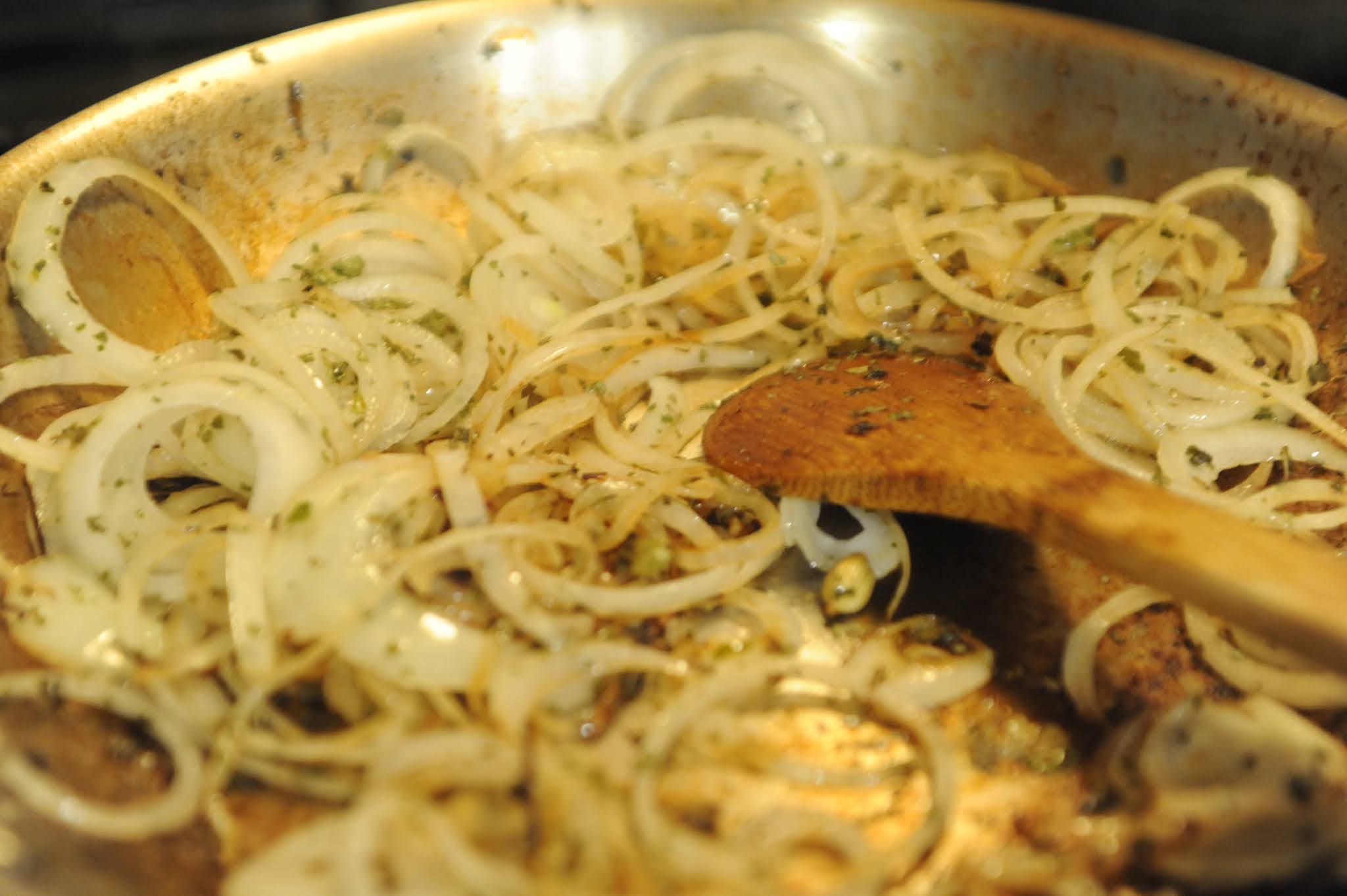
    In the past, I have made this whole blogging thing a chore by taking pictures of each step of each recipe and then posting long, verbal descriptions of each step, and you know what, I’m not gonna do that anymore. How many different pictures of frying onions do my three readers need to see anyway? And I’m going to come right out and say that my pictures were never exactly awesome based on me not bothering to use the lights I bought or do proper staging most of the time, so I’m just going to post a picture of the final dish and be done with it. 


    Although, here is a picture of my cat wishing she could eat Imquarrum.


    To get to the recipes, you'll need to click through the links above.


    Wednesday, March 3, 2021

    Recipes from Mali: Fonio Cakes

    See I told you I would post this tomorrow. Lucky for me, every day has its own tomorrow, so it doesn't matter that it was like a week ago that I said that. Right?

    So these little cakes aren't really the sort of thing I would typically think of as a dessert. They're kind of more like something you'd have with a cup of tea in the afternoon, but I gotta say I just wasn't having any luck finding anything deserty to do with this meal and I kind of just picked this in an act of desperation. I don't mind though, because they were good and the whole family liked them.

    At first I was like, great, another weird ingredient I won't be able to find. But fonio flour was actually readily available on Amazon, though it was a bit pricey. Here's the brand I ended up ordering (right):

    You're going to start making the dough by mixing two cups of fonio flour with two cups of regular all purpose flour. 

    Now mix 1 1/2 cups plus two tablespoons of sugar with 1 cup of water (the measurement is a bit weird because I cut the original in half). 

    Add the margarine, egg, milk powder, and yeast. The original recipe said to wait and add the yeast just before putting the batter in the muffin tin, but I'm guessing the recipe authors were using fresh yeast and I converted this to use active dry, and you can't really mix that in at the end.

    Mix in the flours. The recipe says knead, but the dough is pretty wet so just mix it up until it's smooth. 


    Grease your mini muffin tin and then drop the batter in, filling each cup up halfway.


    Bake for 10 or 15 minutes. As you can see from the photo, I burned the edges of mine. I'm pretty sure that's because the recipe told me to start at a higher temperature, bake for 10 minutes, then reduce the temperature and bake for another 10. Instead I just recommend baking at 350 for 10 to 15 minutes. The cakes are done when they're starting to crack a little on top. Let cool on a rack before serving.

    Here's the complete recipe:

    Ingredients

    • 2 cups fonio flour
    • 2 cups all-purpose flour
    • 1 5/8 cups sugar
    • 1 cup water
    • 1/4 cup margarine, melted
    • 1 large egg
    • 7/8 cup milk powder
    • 1 1/8 tbsp active dry yeast
    • 1 tsp vanilla extract

    Instructions

    1. Preheat the oven to 350 degrees.
    2. Mix the two flours together.
    3. Now mix the sugar and water. When the sugar dissolves, add the egg, milk powder, yeast, and margarine.
    4. Add the flour and mix until you get a smooth batter. Let rest for 30 minutes.
    5. Coat a mini muffin pan with a little bit of oil. Fill each cup halfway.
    6. Bake for 10 to 15 minutes. Let cool on a rack before serving.

    Thursday, February 25, 2021

    Recipes from Mali: Tukasu

    Okay so it took me a couple of days to get this one up and it looks like I'll be saving the dessert recipe for tomorrow. Or the next day. That's still better than three years though, right?

    This is tukasu, and I just want to begin by saying that it looks better in person, and when you're using natural light and are actually good at taking pictures of food. Honestly, sometimes I think I just want to have my daughter draw pictures of blog food so it will look like it tasted.


    This dish is kind of like a cross between chicken and dumplings and a really rich marinara pasta, but without the chicken and without the pasta. Here's how you make it:

    Make the dough first. It's a pretty basic dough with just flour, water, yeast, and salt. I just put the ingredients in my bread machine and let it do all the kneading. Note that the amounts listed in the recipe below are less than what the recipe called for (the recipe called for eight cups of flour, which is enough to make two decent sized loaves of bread and I thought that seemed a little excessive).

    Anyway, mix up the ingredients, cover with a damp towel and set aside for now. 

    Then cut up some onions into thin strips. Here some onions, because even though I haven't done many of these posts in the last few years I never get tired of taking photos of onions (actually I am still absolutely sick of always having to take an onion photo, like every single blog meal, because there's no such thing as a culture that does not use onions. I'm  just trying to put on a brave face).

    There are five onions in the ingredient list -- you only need to cut up two of them. The other three you'll just drop whole into the sauce.  

    Now on to the tomatoes. The recipe said to just kind of smash the tomatoes to remove the skins, but it's easier to blanch them. To do this, just drop them in a pot of boiling water and then take them out when the skins start to split. Let them cool and the skins will come right off. 

    Now cut the meat into largish chunks and chop up the tomatoes. Heat the oil in a large pot and add the meat, the two chopped onions, the tomatoes, and some salt to taste. Let the meat brown.

    Next you're going to take all of your sauce ingredients and put them in a blender: water, spices (except the bay leaf), tomato paste, and the whole onions. Puree until smooth. 

    Take the resulting liquid and strain so it's a little less watery. Then put it in a separate pot and bring to a boil. Reduce heat and simmer. 

    Time to go back to the dough. You'll want to knead it for a few more minutes, then divide it up into small balls. Cover the balls with a damp towel and let them rise.


    Now add four cups of water to the sauce along with the bay leaves. Drop the dough balls into the sauce, cover, and simmer for 20 to 30 minutes. When they're done they'll look like this:


    Turn the heat down to low and let the sauce reduce down until it is the consistency of marinara sauce.
    To serve, place a few of the bread balls on the plate and top with sauce. Add the meat and onions and serve.

    The verdict: Adults loved it, kids sort of liked it. They were pretty into the dough balls but they didn't go back for seconds or anything. For the record, the sauce was crazily rich -- that's a whole lot of tomato paste for one recipe and it was kind of hard to eat more than a small portion. But eating small portions isn't really a bad thing, is it?

    Here's the printable recipe:

    Ingredients

    • 5 cups all-purpose flour
    • 2 cups water
    • 1 tbsp active dry yeast
    • 3 lbs beef
    • 1 cup oil
    • 5 large onions
    • 8 tomatoes
    • 6 cups water
    • 1 cup tomato paste
    • 8 to 10 fresh dates
    • 1 tsp ground anise
    • 2 tsp cumin
    • 1/2 tsp ground cinnamon
    • 1 bay leaf
    • salt and pepper to taste
    • chili powder to taste

    Instructions

    1. First make the dough. Add the salt and yeast to the water, then add the flour. Mix until you have a smooth dough. Knead for around 15 minutes. Cover with a damp towel and set aside.
    2. Cut two of the onions into thin strips. Blanch the tomatoes in hot water until the skins start to split, then remove and let cool. Remove the skins and discard.
    3. Cut the meat into largish chunks and chop the tomatoes. Heat the oil in a large pot and add the meat along with salt to taste, the two chopped onions, and the tomatoes. Let brown.
    4. Put the water, all spices except the bay leaf, tomato paste, and the whole onions in a blender and puree until smooth. Strain and then add to a separate pot. Bring to a boil, then reduce to simmer.
    5. Knead the dough for another five minutes or so, then divide into small balls. Cover with a damp towel and let rise.
    6. Add four cups of water to the sauce along with the bay leaves. Drop the dough balls into the sauce, cover, and simmer for 20 to 30 minutes.
    7. Reduce heat to low and let the sauce reduce down until it is the consistency of marinara sauce.
    8. To serve, place a few of the bread balls on the plate and top with sauce. Add the meat and onions and serve.

    Tuesday, February 23, 2021

    Recipes from Mali

    I just spent the last hour deleting like 200 spammy comments from my blog, and I accidentally deleted a couple of real comments from actual people. So if you left a comment and are actually one of the like three people who came back here more than just the one time, I'm sorry! Please repost and I promise I won't delete you again. 

    I had to turn on comment moderation because of the ridiculous number of "escort" ads that kept showing up. "Your posts are great! Also here's a link to an escort site." Eye roll. And Mount Everest trekking company ads, what's that all about? I mean, I support my local Sherpa as much as the next blogger but I don't think Travel by Stove is super popular with the "let's climb Mount Everest" crowd. I could be wrong, though, so if you've ever climbed Mount Everest do leave me a comment. But without a link to your trekking company please.

    Mount Hombori, which is definitely not Mount Everest.
    Anyway here we are in Mali, where the highest peak is is Mount Hombori, which at 3,782 feet is roughly 25,250 feet below Mount Everest, so I don't expect any Mount Hombori trekking companies to come dropping into these comments. 

    I have to say it was tough to find Mali recipes. I was determined not to make jollof again and I was also kind of shying away from stuff with peanuts, since that just seems so typically African and I wanted something that was more specifically Malian. So in the end, I found this recipe for tukasu from faty.mondoblog.org. It's basically dumplings served in a meat and tomato sauce, and it sounds a lot more challenging than it actually is:

    And yeah, I recognize that my photography sucks right now. My photography lights are sitting on a shelf covered in dust and one of them is burned out and I really just don't want to.

    But the good news is, I saved back a couple of these for the next day and took photos of them in natural light, so theylook a lot nicer than the tukasu does. They're called "fonio cakes" after the ancient grain flour they're made with. The recipe comes from m.afrik-cuisine.com:

    I'll have the recipes posted tomorrow. I hope. 


    Where is Mali?

    On Sunday, my oldest daughter told me she wanted to try sushi. This girl does not eat seafood, so I was like, "What? Okay let's get some before you change your mind." You know, expanding horizons and all that. Of course we're in a pandemic so it's not like we can go get sushi at a proper sushi boat place or anything, so I had to get some from Raley's.

    Tirelli, Mopti, Mali. Photo by C. Hugues.

    Now, I've never had any problem with the sushi at our local Raley's. It's always fresh. But after eating this particular box of sushi, well, let me just say I was not present at my day job today, and my oldest daughter isn't doing so great either. Instead, I spent my day sitting on the sofa binge watching Worst Cooks in America. And I also redesigned my blog. Sort of. I mean, I uploaded a free template and now the blog looks different. 

    Anyway, for this entry we are in Mali, which is actually the eighth largest country in Africa, yet most Americans couldn't find it on a map or probably say anything about how big it is. It's also the world's third largest producer of gold, which means it must be one of the wealthier African nations, right? Nope. Mali is, in fact, one of the world's poorest nations with an average annual income of about $1,500. The fact that Mali is a unitary semi-presidential republic under a military dictatorship might have something to do with that, though I can't say I'm especially educated in the particulars of the Malian economy. 

    Because Mali isn't a wealthy nation, they eat a lot of cereals and not very much meat. Rice and millet are usually on the menu, and the Malians make sauces out of peanuts, tomatoes, spinach, or some combination thereof. The also eat fufu in Mali, which, no, and jollof rice, which I didn't make this week mostly because I made a version of it when I did the Gambia like eight years ago and I couldn't possibly make the same basic dish twice in any one decade. 

    Instead I chose tukasu. Because I was warned that tukasu was kind of a complicated dish, I selected just one other recipe to make, a dessert called "fonio cakes." How'd it go? I'll let you know in a couple of days.


    Sunday, January 24, 2021

    Recipes from the Maldives: Aluvi Hiki Riha (Potato Fry)

    I'm almost sorry to say, nothing eventful happened during the preparation of this dish. I mean, it's nice to not almost burn the kitchen down like that one time but it makes for kind of boring reading. Sorry. It's just a very straightforward recipe. Here it is.

    First, heat a few cups of oil over high heat until bubbles rise around the non-stirring end of a wooden spoon. Fry the potatoes in the hot oil until brown and drain them on paper towels.

    Now heat the rest of the oil over a medium-high flame and saute the onions with the garlic, ginger, curry leaves, and mustard seeds. 

    Add the fried potatoes, cardamom pods, and habanero pepper. Saute for a minute and then add the remaining spices.

    Continue to cook for two minutes, until everything is well-incorporated. Try not to eat to much because they're deep fried and super bad for you.


    Here's the printable recipe:

    Ingredients

    • Oil for frying
    • 1 lb potatoes diced into 1-inch cubes
    • 4 tbsp oil
    • 2 cup onion diced into 1-inch cubes
    • 3 cloves garlic, pressed or chopped
    • 1 tsp grated ginger
    • 1/4 cup curry leaves
    • 1 tsp mustard seeds
    • 3 cardamom pods
    • 1 habanero pepper, finely chopped
    • 1/2 tsp chili powder
    • 1 tsp curry powder
    • Salt to taste

    Instructions

    1. Heat a few cups of oil over high heat until bubbles rise around the non-stirring end of a wooden spoon.
    2. Fry the potatoes in the hot oil until brown. Drain on paper towels.
    3. Heat the rest of the oil over a medium-high flame and saute the onions with the garlic, ginger, curry leaves, and mustard seeds.
    4. Add the fried potatoes, cardamom pods, and habanero pepper. Saute for a minute and then add the remaining spices.
    5. Continue to cook for two minutes, until everything is well-incorporated.

    Recipes from the Maldives: Beef Curry


    The only thing about this recipe that might trip you up is the curry leaves. You can't buy them in grocery stores. I heard (though I don't know how true it is) that there are restrictions on selling them in the US because of pests of some kind, which doesn't make a lot of sense because I found them easy enough on Amazon.com. I will say that weird ingredients seem easier to come by now than they did like three years ago when I was still doing these meals regularly. 

    The leaves I ordered were still fresh when they arrived and they came in a huge bag. When I opened the package I was like, what the hell am I going to do with all these curry leaves. So I kept some for this recipe, froze some, and then dried the rest of them in the oven.

    Don't do that. They smell really ... I can't even describe it. I had to boil potpourri on the stove to get rid of the very weird, chemically odor that made my head feel like it was going to explode. 

    Anyway, here's how to make the curry. To start, mix the first eight ingredients together until you have a paste.


    Now heat the oil over a high flame. Add the beef and cook until brown.

    Here's some beef in a bowl, because evidently I forgot to take pictures of it actually cooking.


    Reduce the heat to medium and add the onions, curry leaves, habanero, cardamom, and spice paste. Return the beef to the pan and add the vingear. Stir until well-coated. Add the tomato paste.

    Bring to a boil, then reduce the heat to low. Cover and cook for 30 minutes, or until the beef is tender.
    Uncover the pan and keep cooking for 15 minutes, or until any remaining liquid has been absorbed and the sauce is thick.


    Here's the printable recipe:


    Ingredients

    • 1 tbsp coriander
    • 1 1/2 tsp cumin
    • 1/4 tsp turmeric
    • 1/2 tsp freshly-ground black pepper
    • 1/2 tsp chili powder
    • 2 cloves garlic, pressed or finely chopped
    • 1 tsp grated ginger
    • 1 1/2 tbsp lemon juice
    • 1 tbsp olive oil
    • 1 lb chuck steak, cut into about cubes
    • 1 cup onion, thinly sliced
    • 1/4 cup curry leaves
    • 1 habanero pepper, finely chopped
    • 1 cardamom pod
    • 1 tsp tomato paste
    • 1 1/2 tsp curry powder
    • 1/4 tsp white vinegar

    Instructions

    1. Mix the first eight ingredients together until you have a paste.
    2. Now heat the oil over a high flame. Add the beef and cook until brown.
    3. Reduce the heat to medium and add the onions, curry leaves, habanero, cardamom, and spice paste.
    4. Return the beef to the pan and add the vingear. Stir until the beef is well-coated. Add the tomato paste.
    5. Bring to a boil, then reduce the heat to low. Cover and cook for 30 minutes, or until the beef is tender.
    6. Uncover the pan and keep cooking for 15 minutes, or until any remaining liquid has been absorbed and the sauce is thick.

    Recipes from the Maldives

    I wanted to sort of start off easy, so I made only two recipes this time. Both were pretty good and not super time consuming to make, though my husband did walk into the kitchen at one point to complain about the bomb that clearly went off somewhere inside an onion or possibly a jar of turmeric.

    The first recipe I made was creatively entitled "Beef Curry."


    With a side of Aluvi Hiki Riha, or "Potato Fry."


    All of which were shot with exceptionally crappy tungsten kitchen lights since I couldn't be bothered to drag out and clean up my photography lights because they have like six inches of dust on them from not being used for four years. So this food looks less delicious than it was and you'll just have to take my word for it.


    Copyright 2023 Becki Robins and Palfrey Media.. Powered by Blogger.

    Blog Flux

    Blog Directory