
Recipes from Marche, Italy

For this entry, I made two recipes. Neither of them were especially good, but I don't blame the people who posted the original recipes or any of the traditions they came from, I blame myself and my propensity for Googling things that might kill me.

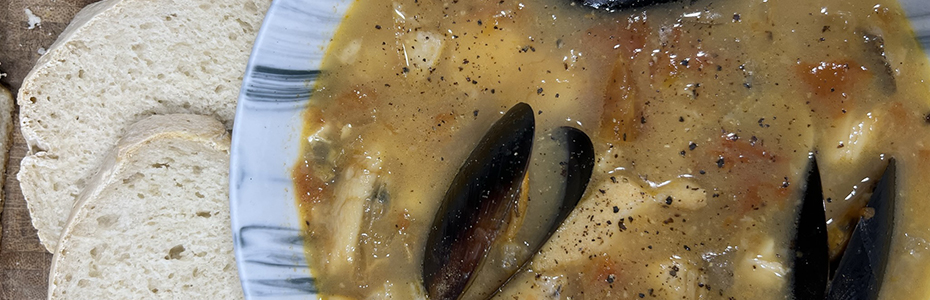
Recipes from Marche, Italy: Brodetto

A seafood stew with mussels and clams, minus the Vibrio.

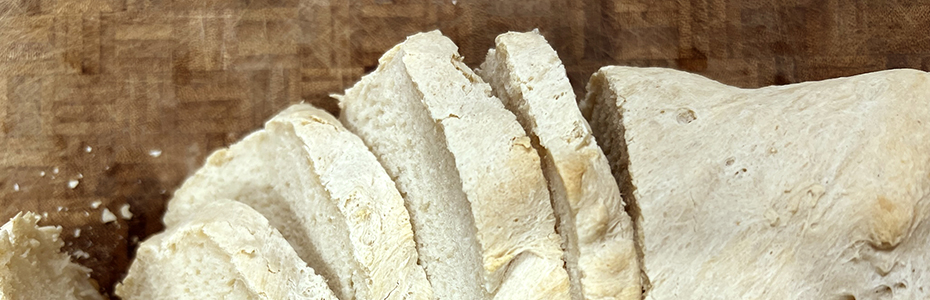
Recipes from Marche, Italy: Filone Casereccio

An Italian bread that will come out much better than mine did if you use fresh brewer's yeast and steam.

Recipes from Malta

This is actually the third time I’ve cooked a meal from Malta. The first time, I cooked the meal and then just did not write the blog post. Years went by.

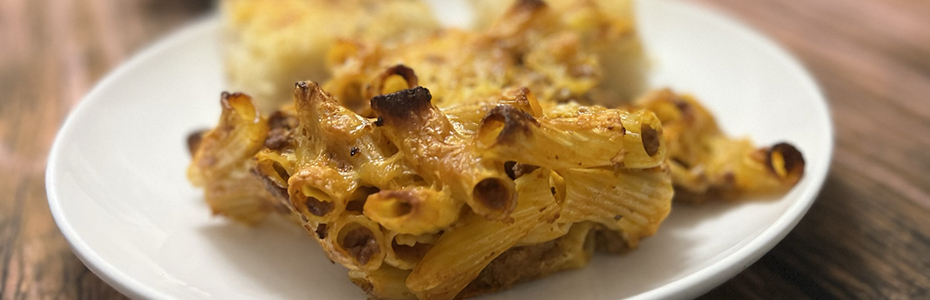
Recipes from Malta: Imqarrun

Imquarrum (also called Imqarrun il-forn) is descended from a dish served in Sicily, but the Maltese have adopted it as a traditional staple. The key to making this dish is to be patient.

Thursday, February 2, 2017

Recipes from Maharashtra, India: Kolhapuri Chicken

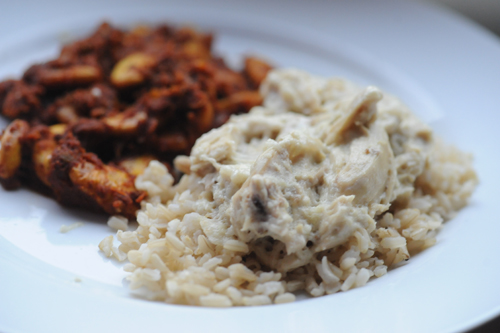
I have always loved spicy food, so I loved this super-spicy drumstick recipe from Maharashtra. It reminded me of Tandoori chicken, but much less kind. I do suggest if you're going to make it that you
test-drive the primary spicy ingredient before adding it--it's called "Degi Mirch," and it's a special blend of super-spicy Indian chili powder. I thought it was going to be hard to find, but I actually located it in 30 seconds or less on Amazon Prime (here's the link).

If you can get past the mouth on fire thing, this is a tasty recipe. Here's how to make it:

First, you marinade the drumsticks. Take the skin off, mix together the maranade ingredients and then rub all over the chicken. Put it in the fridge and let it sit for 30 minutes or so.

Now you have to mix up a bunch of whole garam masala ingredients: bay leaf, cumin seeds, coriander seeds, sesame seeds, poppy seeds, star anise and garlic.


Fry the seeds until they start to smell delicious, then add some sliced onion and dry coconut to the pan. Keep stirring until the onions start to brown.


Next, put the onion mix in a blender with some tomatoes and water and pulse to make a paste. Transfer back to the pan and cook in a little oil with the Degi Mirch and garam masala.


Now add the chicken to the pot, mix, cover and cook over medium low for  20 minutes, or until a meat thermometer reads 175 degrees. Now give it to your family and laugh as their faces turn red and they all dive for a glass of water.

Actually as I said, I didn't give my kids the spicy version, at least not deliberately. My super-macho 11-year-old helped himself to some sauce and then sat there sweating while simultaneously complaining that it wasn't spicy enough. Haha, I am so on to you, dude. My husband liked the flavor, spices and all, but of course complained that it wasn't a boneless, skinless chicken breast. You know, the most flavorless cut on the chicken. Sigh. You can't please everyone.


Kolhapuri Chicken

from Madhuras Recipe
Kolhapuri Chicken

Ingredients

  • 1 lb chicken drumsticks

  • For the marinade
  • 1/2 tsp turmeric powder
  • 1 tsp red chili powder
  • 1 tbsp ginger garlic paste
  • 1 tbsp lemon juice
  • 1 tsp Garam Masala

  • For the sauce:
  • 3 tbsp oil
  • 1 tsp cumin seeds
  • 1 tbsp coriander seeds
  • 2 tbsp sesame seeds
  • 1 tbsp poppy seeds
  • 2 tbsp garlic, chopped
  • 1 bay leaf
  • 4 green cardamom pods
  • 2 to 3 whole cloves
  • 4 to 5 peppercorns
  • 1 star anise
  • 1 large onion, sliced
  • 1 medium tomato, diced
  • 1/2 tsp garam masala
  • 3 tbsp dry, shredded coconut (unsweetened)
  • 1 tbsp Degi Mirch powder*
*Degi Mirch is a spicy red Indian chili powder blend. I got mine on Amazon.com

Instructions

  1. First pull the skin off the drumsticks. 
  2. Mix together the marinade ingredients and rub all over the drumsticks. Let sit in the fridge for 30 minutes or so.
  3. Now heat up the oil and add all the various seeds and the chopped garlic. Keep stirring until fragrant. 
  4. Add the coconut and onion and keep cooking until the onions starts to brown.
  5. Now transfer the onion mixture to a blender with the chopped tomatoes. Add just enough water to make a paste.
  6. Now heat some more oil and add the paste, along with the  Degi Mirch and garam masala. Cook for 5 minutes or so.
  7. Drop in the chicken pieces and add a little water to make a nice sauce. Cover and cook on medium low for 20 minutes, or until a meat thermometer reads 175 degrees.
Recipes from Maharashtra, India: Alu Paratha

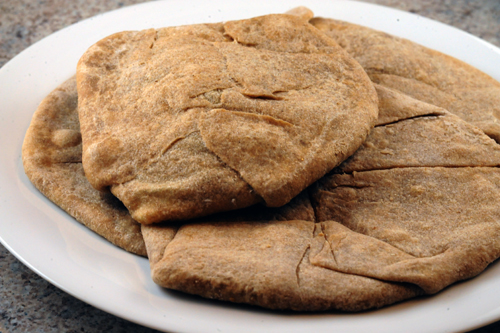
So this is a pretty simple flatbread, no yeast or bread machine required. It's just whole wheat flour, water, salt and olive oil. The trick is stuffing it, and then getting the stuffing to stay inside while you roll it flat. It's actually not as hard as it sounds, you just can't have a heavy hand with the rolling pin. Here's how it's done:

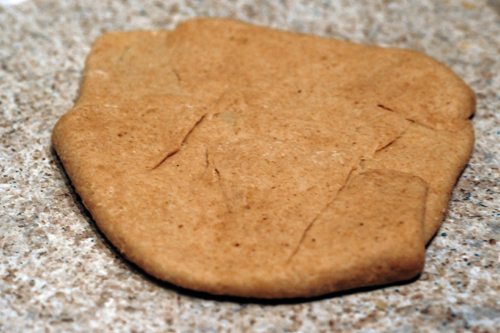
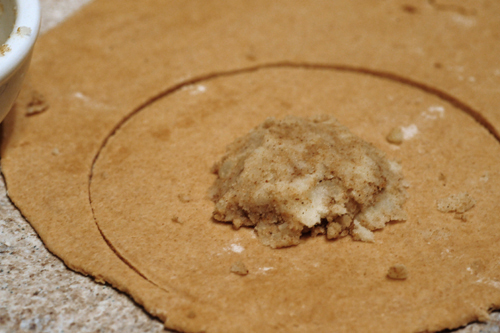
First mix up all the dough ingredients, then roll flat. I used a teacup saucer to cut circles out of the dough.

Make sure the dough is pretty thin--think tortilla rather than naan bread.

Now you mix up the filling, and then put a lump of it in the middle of the bread.


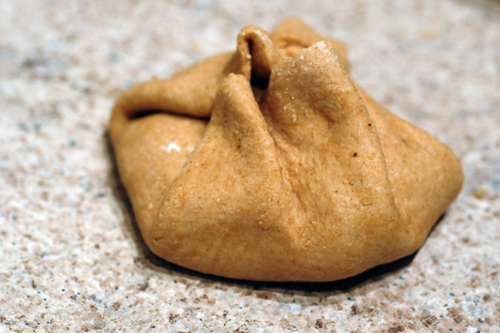
Pull up the corners to make a packet, like so:


Then roll flat again. Just be gentle--you want the bread to be pretty flat but you don't want any of the potato filling to come out.


Now brush the tops with some melted ghee. The original recipe said to roast it on tawa, but if you have no idea what that means I think baking is a fine substitute. There were no times given but mine took about 15 minutes--you want it to start browning a little on top, then it's time to take out.

This bread was spicy, but not too spicy--you can certainly adjust the amount of red chili powder you use according to your own personal tastes. For all my kids except the oldest, that meant just not using any chili powder, of course, they still didn't like it because that's how they are. Even though they like flatbread and they like mashed potatoes but oh no, you just can't put the two together. Whatever.

Anyway here is the printable, pinable version:


Alu Paratha

from Simple Indian Recipes
Alu Paratha, flatbread stuffed with spicy potatoes

Ingredients

    For the dough
  • 2 cups whole wheat flour
  • 1 tsp salt
  • 2 tbsp olive oil
  • 3/4 cup hot water (more if necessary)

  • For the filling
  • 3 to 4 potatoes, peeled, boiled and mashed
  • 2 tsp red chili powder
  • 1 tsp garam masala
  • 2 tsp coriander powder
  • 1/2 tsp mango powder
  • Cilantro to taste
  • Bread crumbs

Instructions

  1. Mix together the ingredients for the dough and knead.
  2. Now combine all the filling ingredients together.
  3. Roll the dough out into tea saucer sized circles.
  4. Place a lump of filling in the center of each circle, then pull up the edges to form a packet.
  5. Roll the packet out flat, taking care not to expose the filling.
  6. Brush the top of each flatbread with a little melted ghee, then bake at 350 degrees for 10 to 15 minutes
Approximate time: 30 minutes Serves 6.

Friday, January 27, 2017

Where is Maharashtra, India?

So on Sunday afternoon I was just getting ready to embark on the next leg of my culinary travels, when there was a clap of thunder, followed by a lightening bolt, followed by a blackout. Well, I have actually been known to cook in the dark because I have a gas stove, but I wouldn't have been able to manage taking photos in the dark,so I elected to postpone my blog meal in favor of Chinese takeout. I can't say that I wasn't secretly a little grateful to have a night off.

Chatrapati Shivaji Terminus (CST), Mumbai, India.
Photo by sandeepachetan.
Anyway this was our week of student conferences, plus all the usual Kung Fu lessons, gymnastics classes etc., and then Martin tells me he's invited people over for roast beef on Saturday, and Sunday is my baby boy's seventh birthday ... so squeezing a blog meal in this week was a challenge. I did it, but not in time to get a recipe post online before next week. So for a start, I'll just tell you where we're going next, and you can look for the actual recipes after the weekend.

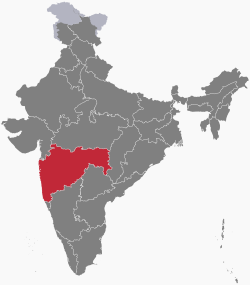
This week we're in Maharashtra, India, which based on the recipes Martin actually correctly guessed to be in central India. Leave it to a Brit to be able to pinpoint a whole region of India based entirely on the curry.

Anyway, Maharashtra is on the west side of India, bordering the Arabian Sea. It is the wealthiest state in India, contributing nearly one quarter of the nation's GDP and attracting migrants from all over India who come there in search of a higher standard of living. Its capitol is Mumbai, which is the most populous city in India and the ninth most populous urban agglomeration (which is the area encompassing both a city and the populated areas surrounding it) in the world. Mumbai is also home to the world's largest university (by number of graduates).

Maharashtra's cuisine can be mild or spicy, though the recipes I chose were notably on the spicy end of the spectrum. Most meals are served with rice and a flatbread such as chapati, and dal (lentils) are often served alongside. Of course, when I cooked my Maharashtrian meal I tried to cram it in on a weekday and I didn't have time to do dal ... and I also didn't have any rice, so it was lacking a bit in authenticity. Of course, I can't complain too much because it would have been a carb fest if I'd added both those elements, and you know I'm trying to stay away from carb fests because I love them and they're bad for me. But in case you want to do it more correctly than I did ... basmati rice and plain dal are easy accompaniments to help round out the meal.

As it was, I chose two recipes--a spicy chicken dish and a chapati stuffed with curried potatoes. It was tasty, but I had to make a no-heat version for my kids and a spicy version for us adults, so it was some extra work. It was good though, and I might make it again but would not be allowed to use drumstricks because my husband hates having to work for his food, haha.

See you in a few days.

Saturday, January 21, 2017

Recipes from Madagascar

So Madagascar was OK. I think it really just suffered from the whole "not enough resources online" problem that a lot of African countries tend to have. I found a scattering of options but nothing that really sounded thrilling, and a lot of it actually sounded like stuff I've already made for other countries.

The main dish I chose, for example, was a coconut chicken. It sounded good because I like coconut chicken--I've had both Indian and Thai versions of it and I'm fairly sure I've done at least one coconut chicken for this blog in the past. I really did want to find something a little bit different, something that wasn't so familiar, but I did not have any luck. So if you are from Madagascar, you know, drop me a comment with your favorite recipe. I am very sure that out there somewhere is a Malagasy recipe that I will find really wowing. It just wasn't this one.

So here you go, all three recipes. Before you eagerly jump into making that dessert, which I'm sure you won't based on the hideous photo, make sure you scroll down all the way so you can read my notes. :)

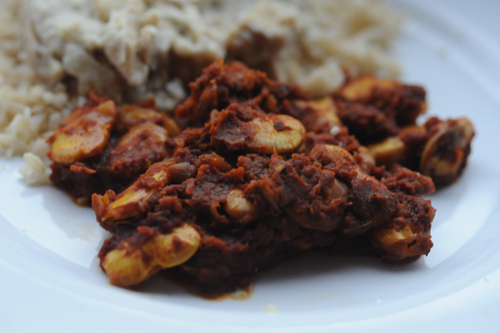
Malagasy Coconut Chicken.  A pretty basic chicken recipe made with coconut milk, garlic and ginger.

Kabaro au Carry (Curried Beans).  Lima beans cooked in a rich tomato sauce.

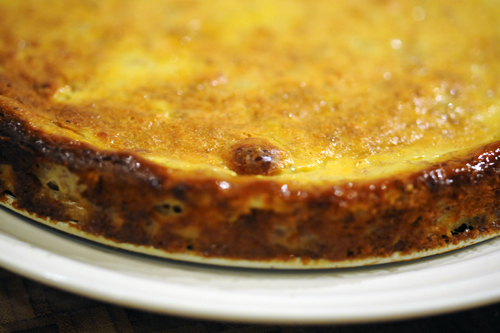
Malagasy Cake. Scrambled eggs and bananas. No, I'm not kidding.

Recipes from Madagascar - Coconut Chicken

So there was nothing wrong with this recipe. It was good--flavorful and easy to make. It just wasn't that different--I've already tried a lot of recipes for chicken in a coconut milk sauce. Most of them have some additional feature besides just coconut milk, like a curry paste or garam masala. This recipe was really just coconut milk. There was some garlic and ginger as well, but other than that it was a little plain.

Malagasy Coconut Chicken
Now, I will say that it's really unfair to criticize international recipes for being plain. Sometimes they are plain just based on necessity--not every country has ready access to spices or even standard ingredients we in the west take for granted, like salt. So there's really nothing wrong with "plain." I would have settled for "different," though. But I can't really complain because as blog recipes go, this one was pretty fast and easy to make. Here's how:

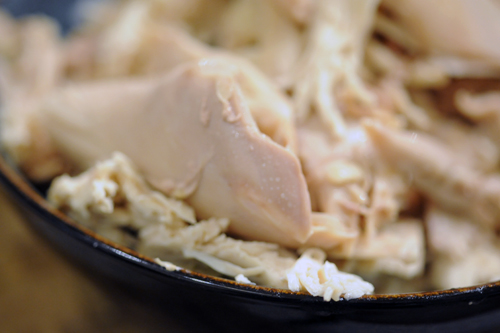
Instead of roasting or pan frying your chicken, you boil it. You just put the whole chicken in a pot of boiling water and cook it until a meat thermometer inserted into the thickest part of the thigh reads 175 degrees (note: it's safe to eat at 165, but I find the texture of dark meat to be not quite right until it gets to 175).

When the chicken is done cooking, knock the meat off the bones and set aside. Reserve 2 cups of broth.
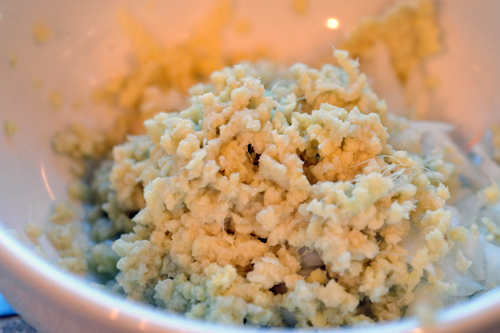
Now grate the ginger and garlic:


In a large frying pan (you'll need a large pan because in a minute you're going to be adding a whole chicken to it), heat the oil over a medium flame and add the onions. Cook until translucent, then add the ginger and garlic. Keep cooking until fragrant (one or two minutes). 
Add the chicken to the pan, along with 1 to 2 cups of the chicken broth and the coconut milk. Let simmer for 30 to 40 minutes (you can add a little extra broth if the sauce is too thick). Serve over rice.
And here's the printable, pinnable version:


Ingredients

  • 1 whole chicken
  • 1-2 cups reserved chicken broth
  • 1-2 tbsp oil
  • 1 garlic clove, crushed
  • 1/4-1/2 cup ginger, grated
  • 1/4 cup onion, chopped
  • 1 15 oz can coconut milk

Instructions

  1. Fill up a big pot with water and add the whole chicken. Boil until a meat thermometer inserted in the thickest part of the thigh reads 175 degrees F.
  2. Remove the meat from the bones and reserve the broth.
  3. In a large frying pan, heat the oil over a medium flame and add the onions. Saute until the onions are translucent.
  4. Add the garlic and ginger and keep stirring until fragrant.
  5. Now add the chicken, 1 to 2 cups of the broth and the coconut milk. Simmer for between 30 and 40 minutes. You can add a little more broth if the sauce is too thick.
  6. Serve over rice.
Approximate time: . Serves 8.

Recipes from Madagascar - Kabaro au Carry (Curried Beans)

No matter how many times I've cooked dried beans, I never get used to the whole "you have to soak them first" thing. Or more accurately, I just never remember to do it.

Kabaro au Carry (Lima beans in tomato sauce)
Now, a few weeks ago I bought myself a new pressure cooker. You might remember that for a long time I was using my grandma's old pressure cooker, circa 1965, and there was that one time that it launched the little wobbly thing on top into the air like the space shuttle, which was mildly terrifying. And also those old pressure cookers sometimes explode, so yeah, it was time to get another one.

So anyway, when I bought my pressure cooker I was thinking, "Yay I don't have to soak beans anymore" (of course, it's not like I ever actually did soak beans ... but that's what I was thinking). But the cookbook that came with my pressure cooker was all, "You still have to soak the beans," and I was all, "What the what now?" So apparently buying the pressure cooker does not solve the whole bean soaking problem.

So I forgot to soak the beans, and then I tried to modify this recipe for the pressure cooker even though the beans were not pre-soaked, and although the whole thing wasn't a disaster or anything I'm not sure that the finished product was anywhere near what it would have been if I'd just followed the recipe.

So having said all that, here's the recipe, I'm going to tell you the proper way to do it and just pretend that that's how I did it.

So ideally, you want to rinse the beans and then soak them overnight. The next day, heat up the olive oil over a medium flame, then add the onion and cook until translucent.

Here's where I would normally add a picture, but I was too busy stressing out about the whole how-much-liquid-do-I-add-to-my-pressure-cooker-and-do-I-put-the-tomatoes-in-now-or-later thing and I forgot to take any.

Next, add the tomatoes and bring to a simmer. Cook for 10 minutes or so and then stir in the garlic and spices.

Drain the lima beans, and then add them to the pot with a fresh four cups of water. Bring to a boil, then reduce heat and simmer until the beans are tender (between 60 and 90 minutes). The sauce should be fairly thick, but add water if it gets a little clumpy.

Martin liked these more than I did. In the pressure cooker, the sauce cooked way down and I didn't actually think to add a little water to it, So it was almost like beans in straight tomato paste. Of course, Martin loves that really thick tomato flavor so he really liked them, but I found it overwhelming. Of course, I think it was my poor pressure cooker conversion that made the recipe turn out the way it did, so there's no way that can be a criticism. Anyway, here's the printable recipe:


Ingredients

  • 1 1/4 cup dried lima beans
  • 1 tbsp olive oil
  • 1 onion, chopped
  • 1 28 oz can crushed or diced tomatoes
  • 2 cloves garlic, minced
  • 2 tbsp curry powder
  • Pinch of cayenne pepper
  • Salt and freshly ground black pepper to taste
  • 4 cups water

Instructions

  1. Rinse the beans in cold water and soak overnight.
  2. Heat the olive oil over a medium flame, then add the onion and cook until translucent
  3. Add the tomatoes and bring to a simmer. Let cook for 10 minutes or so, then stir in the garlic and spices.
  4. Add the lima beans and water. Bring to a boil, then reduce heat and simmer until the beans are tender (between 60 and 90 minutes). The sauce should be fairly thick, but add water if it gets a little clumpy.
Approximate time: . Serves 6.

Recipes from Madagascar: Malagasy Cake

Banana flavored scrambled eggs, anyone? 

OK so clearly something went very, very wrong with this recipe. Because, check out the photo of this cake on this page:

Afro Tourism

If it looks like an omelette, that's because it's an omelette
Now check out the photo of my cake, to the left. Same ingredients, same instructions. But WTF?? This dessert was so awful my kids didn't even want to eat it. And I'm sure it was because something went wrong with my interpretation, I'm sure it isn't supposed to look/taste like it looked/tasted when I made it.

Looking around, there are some recipes for Malagasy cakes that call for cassava flour, so I'm wondering if maybe whoever transcribed the recipe accidentally left it out. Or maybe I just needed to mix it more, with an electric mixer or something? Though I'm not sure how that would have solved the texture problem. Because it was a texture problem, not necessarily a flavor problem. It needed something to give it body.

Now, I've made flourless cakes before and they've been fabulous, and they had a lot of egg in them too. So I'm feeling like if it really wasn't supposed to have flour in it, then the instructions were leaving out a critical step or just assuming that I know something I obviously don't know.

Anyway, I can't imagine you would actually want to make this after that less-than-glowing recommendation, but just in case you do, here's how:

First cut a slit in your vanilla pod. The recipe didn't actually say to do this, but it's what I've seen Food Network chefs do--otherwise all the flavor just stays inside the pod.

Now put the pod in the milk with the sugar, nutmeg and clove. Bring just to a boil, then remove from the heat.

Add the tapioca and return to the stove over low heat. Cook 10 minutes, stirring frequently.

Meanwhile, heat your oven to 350 degrees and butter a round cake pan.

Remove the vanilla pod from the milk and add the cream and mashed bananas.

Now add the eggs one at a time. I guess. Mix well and pour into the cake pan. Bake for 15 minutes or until a toothpick inserted in the center comes out clean.

Now, it said cook for 15 minutes, but it took more like an hour in my oven, which is why I think that this recipe must have been missing an ingredient. If it had flour in it I think it would have baked up a lot more quickly, just like any cake.

Anyway, it was awful. Not the flavor, the flavor was actually fine, like a really sweet banana bread. But the texture was like scrambled eggs, so it really wasn't very pleasant. Again, I'm sure the fault was mine, unless an ingredient got left out of the recipe--which does seem a little likely.


Ingredients

  • 2 cups milk
  • 1 vanilla pod, split
  • 4 tbsp granulated sugar
  • 1 pinch nutmeg, grated
  • 1 pinch clove, crushed
  • 5 tbsp tapioca
  • 2 tbsp cream
  • 4 ripe bananas, smashed
  • 1/2 oz butter
  • 4 eggs

Instructions

  1. Put the milk in a pot with the vanilla pod, sugar, nutmeg and clove. Bring just to a boil, then remove from heat.
  2. Add the tapioca and then put back on the stove over a low flame. Cook for 10 minutes, stirring frequently.
  3. Heat your oven to 350 degrees and butter a round cake pan.
  4. Remove the vanilla pod and add the cream. Stir in the bananas.
  5. Now add the eggs, one at a time, until everything is well mixed. Pour into the cake pan and bake for 15 minutes or until a toothpick inserted in the center comes out clean.
 Approximate time: . Serves 8.


Copyright 2023 Becki Robins and Palfrey Media.. Powered by Blogger.

Blog Flux

Blog Directory