Recipes from Marche, Italy

For this entry, I made two recipes. Neither of them were especially good, but I don't blame the people who posted the original recipes or any of the traditions they came from, I blame myself and my propensity for Googling things that might kill me.

Recipes from Marche, Italy: Brodetto

A seafood stew with mussels and clams, minus the Vibrio.

Recipes from Marche, Italy: Filone Casereccio

An Italian bread that will come out much better than mine did if you use fresh brewer's yeast and steam.

Recipes from Malta

This is actually the third time I’ve cooked a meal from Malta. The first time, I cooked the meal and then just did not write the blog post. Years went by.

Recipes from Malta: Imqarrun

Imquarrum (also called Imqarrun il-forn) is descended from a dish served in Sicily, but the Maltese have adopted it as a traditional staple. The key to making this dish is to be patient.

Showing posts with label Middle East. Show all posts

Monday, December 8, 2014

Recipes from Lebanon

Yay it's raining in California! If it carries on like this, the drought might actually end sometime in the next couple of years.

Of course, I really dislike rain most of the time, but I'm not going to say so out loud. We really need the rain.
I was trying to come up with a good segue between rainfall in California and rainfall in this week's destination, but I can't really. Lebanon gets way more rain than we do, even in a good year. That's probably why it's had such a long history of human occupation—people tend to go where the water is.

Lebanon is at the crossroads of the Mediterranean Basin and the Arab world, near Syria and Israel. There is evidence that humans lived there up to 7,000 years ago, which is a very, very long time ago—before human beings started actually recording history.

The earliest known occupants of Lebanon were the Phoenicians, a maritime culture that lived in the region for almost a millennium. Lebanon was later occupied by the Romans, and then by the Arabs, and the result of all that indecisiveness is that today it is a place of great ethnic and religious diversity.

Fun fact: Lebanon has such unique geography that you can go skiing in the morning and swimming in the Mediterranean Sea in the afternoon. Which you could theoretically do in California, too, if the Pacific Ocean wasn't so damned cold.

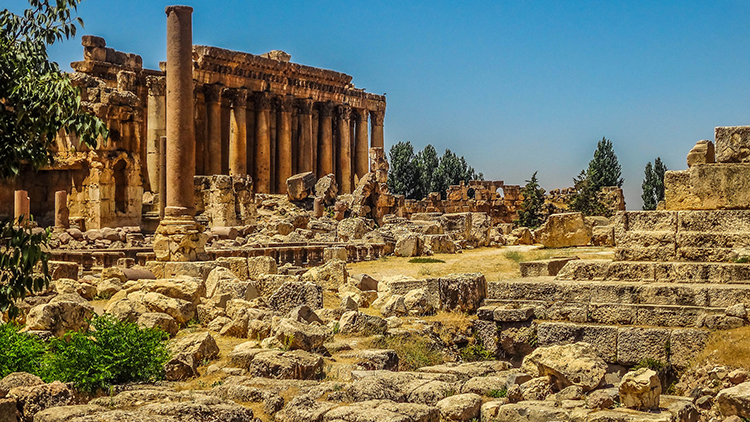
Baalbek, Lebanon. Photo by Paul Saad. 

The Lebanese eat a lot of seafood, starches, whole grains and vegetables, and chicken is on the menu more often than red meat is. The Lebanese love garlic and lemon juice, which brings me to our main course:

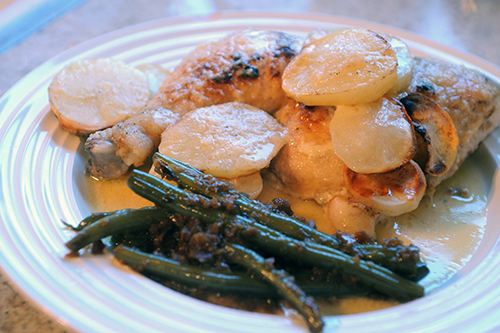
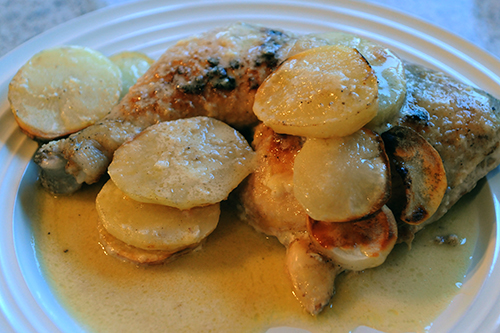
Djej w Batata Bil Sayniyyeh (Baked Garlic Chicken and Potatoes)
(All of this week's recipes come from Mama's Lebanese Kitchen)
  • 4 lbs chicken pieces
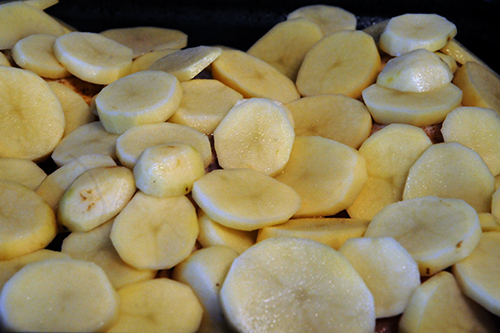
  • 5 medium potatoes, peeled and sliced into ½ inch pieces
  • 20 cloves garlic, peeled
  • 1 cup freshly squeezed lemon juice
  • 4 tbsp olive oil
  • Salt to taste
  • A pinch of Lebanese 7-spice
  • Vinegar (optional)
To make this, you'll also need this recipe:

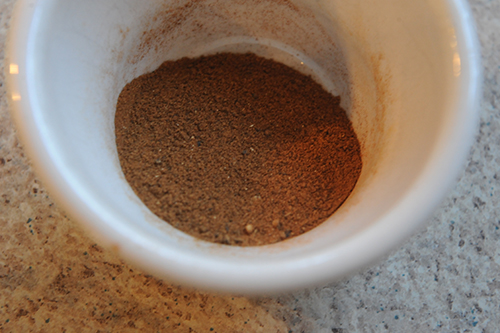
Lebanese 7-Spices
  • 1/2 tsp allspice
  • 1/2 tsp black pepper
  • 1/2 tsp white pepper
  • 1/2 tsp cinnamon
  • 1/2 tsp ground cloves
  • 1/2 tsp ground nutmeg
  • 1/2 tsp coriander
And on the side I made this, though I'm not entirely sure about its accuracy as a side dish (sounds more like a condiment):

Loubieh
  • 3 lbs green beans, rinsed and trimmed
  • 3 medium onions, finely chopped
  • 2/3rd cup extra virgin olive oil
  • 1 to 2 tsp Lebanese 7-spice
  • 1/2 tsp salt
And for dessert:

Dates Fudge
  • 2 lbs date paste (or grind pitted dates to paste in a food processor)
  • 2 tbsp unsalted butter
  • 1/2 lb of walnuts
  • 1/4 lb coconut flakes
The first thing you will need to make is the Lebanese 7-spice, unless you happen to have some on hand, which I'm guessing you probably don't. It's pretty simple and you can make as much or as little as you want, though you will need at least two teaspoons for this meal. Just mix together the ingredients and you're done.

Now for the chicken:

The first step is to soak the chicken pieces in vinegar for two minutes, though this is optional. When done, rinse in cold water and pat dry.

Now cut a few slits in each chicken piece to allow the marinade to penetrate. Mix two tbsp of the olive oil with a pinch of salt and the Lebanese 7-spice.

Grease a metal roasting pan with olive oil and place the chicken inside. Salt the potato slices and place on top of the chicken.

Bake at 400 degrees for 40 to 50 minutes, or until a meat thermometer inserted in the thickest part of the thigh reads 175 degrees.

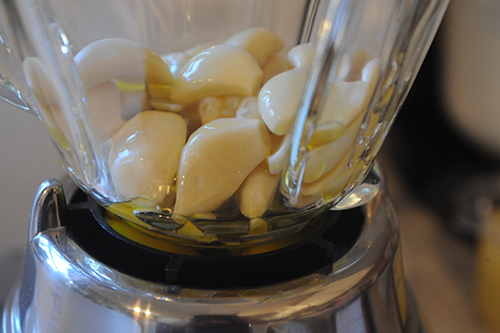
While the chicken is cooking, place the garlic in a food processor with ½ tsp of salt and the rest of the olive oil. Pulse for 4 to 5 minutes, then add the lemon juice and pulse for another 4 to 5 minutes.

Remove the chicken from the oven, then drain off the liquid from the bottom of the pan. Pour the garlic sauce over the chicken and toss to make sure everything is coated. Return to the pan and cook under the broiler for 5 to 10 minutes, or until the potatoes are golden.

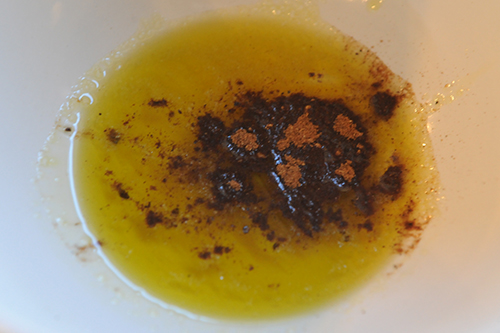
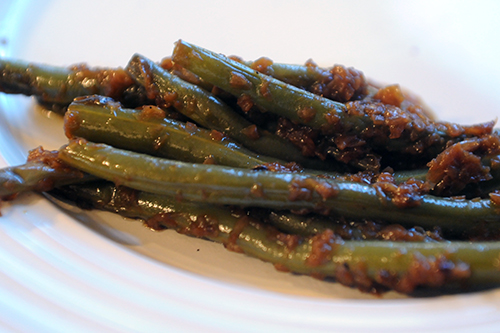
Meanwhile, make the beans. First saute the onions in olive oil for 15 to 20 minutes, or until they start to brown. Now add the beans, the salt and half of the 7-spice mixture. Mix well, then cover the pot and cook on low for 45 minutes, stirring every 5 to 10 minutes. When the beans are a dark olive-brown color, add the rest of the 7-spice and mix well. You can serve this dish hot or cold.

Now for the fudge, which isn't really anything like fudge:

First, melt butter over a low flame. Pour over the date paste and "knead" by hand. Divide into 28 pieces and then stuff each piece with a walnut half. Roll it into a ball and then dip in coconut flakes. Chill or serve at room temperature.

The chicken was really delicious, I mean really, really delicious. It was not too far removed from stuff I've eaten locally (have you ever been to the Stinking Rose in San Francisco?) but who cares. It was full of flavor and cooked perfectly, if I do say so myself. I liked the beans, too, and so did Martin, but the kids wouldn't touch them. In their defense, though, they won't even touch that bean casserole that everyone makes for Thanksgiving, either. They think vegetables are out to get them.

The dates fudge, mmm. It was dead-simple to make and tasted very Mediterranean, and my kids were not fans. When I say "dessert," they think I mean "cupcakes." I really have to break them of those way-too-American palettes that they have. But oh well, more for me.

Next week: Lesotho

Sunday, September 28, 2014

Recipes from Kuwait

Part of the reason I moved away from the Bay Area was because of the crappy air quality. I'm pretty sure in this week alone, though, I've actually breathed more crappy air than I did in the sum total of an entire decade in San Jose.

We are about 60 miles west of the King Fire, which has burned close to 100,000 acres of forest land in the past two weeks. We're not really in any danger from the fire, but up until a couple of days ago we were getting a lot of the smoke. The air quality was so bad that my kids coughed whenever they went outside, my eyes were pretty much constantly burning and you really couldn't see much further out than maybe a half mile. After that it was just faint silhouettes muted by all that yucky brown smoke.

Anyway, my kids were home for part of the week because the air quality was deemed too poor for them to go to school, like it was any better anywhere else in town. Have you ever tried to write with four kids in the room? You can get two or three words down and then "Mom! Mom!" I got some cleaning done, but not much work.
Kuwait Parliament, Qibla, Kuwait City, Al `Asimah. Photo by N.M.

So here I am trying once again to catch up, and this week it's Kuwait. Now, I'll bet if the first gulf war had never happened you probably wouldn't have heard much about Kuwait. Those of us who came of age in the 90s (not that I'm that old or anything') remember the invasion of Kuwait as the supposed reason why we ended up over there, though most people thought it was more about the oil than the freedom of Kuwait. Whichever version you believe, Kuwait did need our protection. It's a constitutional monarchy, which means that it has a monarch but also an elected parliament, not unlike the United Kingdom. As far as liberties go, it ranks among the highest in the Arab world, with a free press, judicial liberties and constitutional protection of civil liberties.

So when I got to Kuwait, I had an epiphany about this Travel by Stove venture of mine, and here it is. Lots of nations have very specific culinary traditions, and many of those nations have regions with very specific culinary traditions. But some countries don't have those distinctions, and the lines between the culinary traditions of one nation blends with those of another. So you get entire regions comprising of many different nations that eat pretty much the same dishes, with only very subtle variations. This became very plain to me when I was researching Kuwaiti food and discovered that I'd already cooked pretty much every recipe I could find. I've made harees and khubz and biriyani and machbous already, and it just seems like cheating to repeat recipes I've already made, even though it wouldn't be the first time. So I dug around a lot, and I found a couple of recipes that were different, but I'm afraid I had to do a variation of machbous as my main meal because I really didn't find a lot of alternatives. I'm sure they were out there, but I didn't stumble upon them. So here's what I decided to make:

Chicken Mechbous 
(from A Mideast Feast) 


For the chicken:
  • 1 whole chicken, cut into pieces
  • Salt to taste
  • 1 cinnamon stick
  • 2 cardamom pods
  • 2 or 3 whole cloves
  • 5 black peppercorns
  • Flour as needed
  • 3 cups basmati rice
For the onion-spice topping (hashu):
  • 2 large yellow onions, finely chopped
  • 1 tbsp vegetable oil
  • 1/4 cup golden raisins, soaked in water
  • 1/4 tsp ground cardamom
  • 1/4 tsp dried black lime (loomi), or ½ tsp lime zest
  • 1/4 tsp ground black pepper
  • 1/2 tsp sugar
For the tomato sauce (duqqus):
  • 2 large tomatoes, chopped
  • 2 tbsp water
  • 2 cloves garlic, crushed
  • 1 tbsp tomato paste
With some bread:

Za’atar Bread
(from Veggie Zest and Globe Trotter Diaries)
  • 2 cups all purpose flour
  • 2 tsp active dry yeast
  • 1 tsp salt
  • 3/4 cup water, lukewarm
  • 1/2 cup olive oil
  • 1/2 cup of dried thyme
  • 1/2 cup of sesame seeds
  • 2 tbsp of sumac
And for dessert:

Kuwaiti Honey Cake
(also from A Mideast Feast)

For the cake:
  • 1/2 cup + 1 tbsp all purpose flour
  • 1/2 cup granulated sugar
  • 3 eggs
  • 1/2 tsp baking powder
  • 1/3 cup butter
  • 1/2 tsp vanilla extract
For the topping:
  • 1/2 cup butter
  • 3/4 cup almonds, slivered
  • 1/3 cup honey
  • 3/4 tsp cinnamon
  • 1/2 cup granulated sugar
Alight, so here's how it's done: First, make the bread. Mix the yeast with 1/4 cup of water and let stand until frothy. Meanwhile, mix the flour with the salt, then add the proofed yeast and knead. Add the water, 1 tbsp at a time until you get a smooth dough. Transfer to an oiled bowl, cover with a towel and let rise in a warm place for two hours or until doubled in bulk.

Meanwhile, make the za'atar. Toast the sesame seeds in a pan and then mix with the thyme. Now add the sumac and stir. Mix with the olive oil and set aside.

Preheat your oven to 350 degrees. Punch down the dough and fold it over a few times, pressing down with your hands. Divide into 8 parts and roll into circles. Divide the za'atar between them, spreading out over the surface of the dough with about a half inch border all around. Bake for 12 to 15 minutes.

Now for the mechbous. Rinse chicken and put in a large pot. Add enough water to cover, then add the cinnamon stick, cardamom pods, cloves and peppercorns (I always put whole spices in a tea ball, that way they're easier to remove from the pot later). Bring to a boil, then reduce heat to medium and let cook until a meat thermometer inserted into the thickest part of the thigh reads 175 degrees. Remove the chicken and reserve the broth.

Now strain the fat off the broth and transfer to a pot. You should have six cups--if not, add some water. Add the rice to the broth and bring to a boil. Cover and reduce heat. Let cook for 20 minutes or until all the liquid has been absorbed. Add salt to taste.

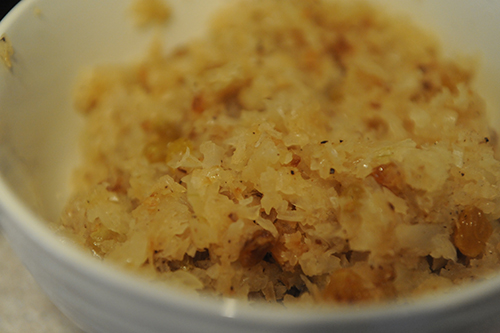
Meanwhile, cook the onions over medium heat until translucent. Add some water and keep stirring until the onions start to brown. Add the oil, raisins and spices and cook for another minute, then remove from the heat and set aside.

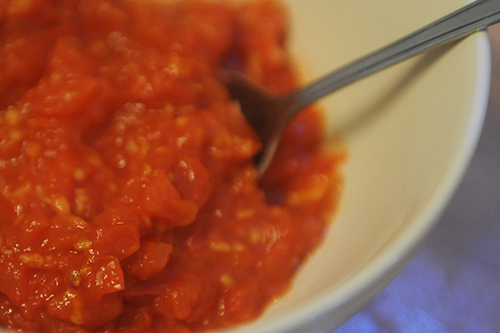
Now place the water in a small pot with the tomatoes, garlic and tomato paste. Cook until the tomatoes are soft.

Dust the chicken with flour and transfer to a skillet. Cook over medium high heat until the skin is brown and crispy.

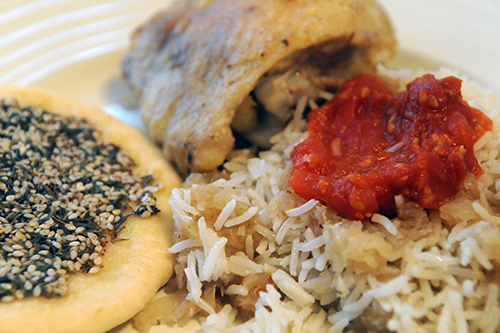
To serve, spread the rice out on a platter.  Sprinkle the onion mixture on top, then top with the chicken pieces. Serve the tomato sauce in a separate bowl.

Now for the cake. First preheat your oven to 400 degrees. Grease a 10 inch pan with butter and set aside.

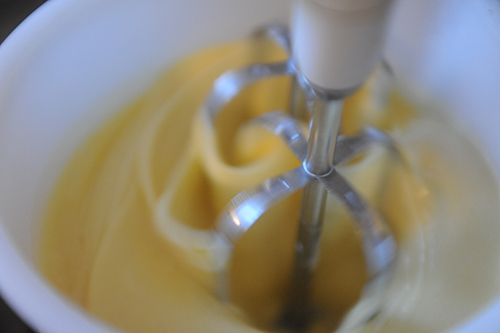
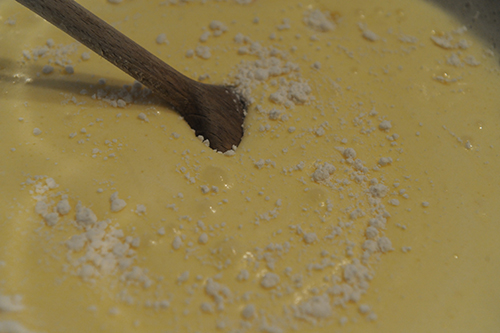
Now melt the butter in a saucepan or your microwave. With an electric mixer, beat the sugar, eggs and vanilla until smooth and then add the butter.

Sift the flour and baking powder over the mix and stir until blended.

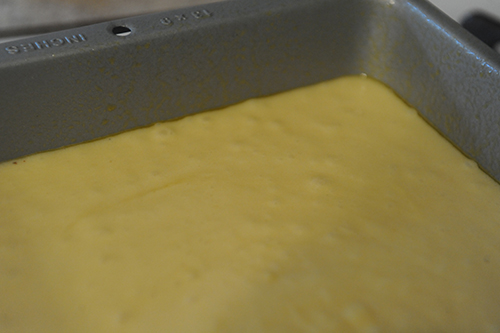
Pour the batter into the pan and bake for 10 minutes or until a toothpick inserted in the center comes out clean.

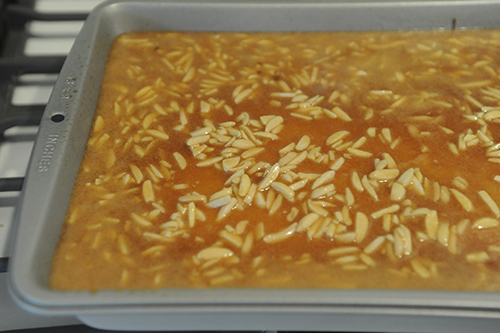
Meanwhile, melt the butter for the topping in a pan. Add the sugar, honey, cinnamon and almonds.
Bring to a boil, stirring. Pour over the cake and return to the oven for 15 minutes.


Let cool and serve.


Alright, so the mechbous was good. You can't really go wrong with chicken and rice, and I always like caramelized onions on rice. The bread was quite possibly the worst thing I've ever eaten. We had a friend over, and he and Martin were both OK with just scraping off the za'atar, but I didn't think it was edible even after I scraped it off. I don't really like thyme, I guess, so in large quantities I thought it was really awful. I don't usually mind sumac or sesame oil, so I really can't explain it in any other way. But all that spice was just way too much. The bread, however, was redeemed by the honey cake, which was fabulous. It was a little bit like a baklava but with cake instead of phyllo dough. The topping was really chewy and yummy and the cake was moist and delicious. My eight-year-old liked it so much that she told me she wants it for a birthday cake. Wow! Anything that can outshine a Safeway birthday cake for that girl must be pretty good, haha.

So the honey cake was pretty original, the za'atar bread was also extremely original, though horrifying, and the mechbous was pretty much just like the mechbous I made in Bahrain, but I'd say overall the meal came out a success. I'm sure the za'atar bread would have been delicious without the za'atar.

Next week: Kyrgyzstan

Monday, September 15, 2014

Recipes from Kurdistan

OK, so last week was kind of disastrous, but at least it makes for fun reading, right? This week was not nearly so bad. Kurdistan is located in a land of deliciousness. It may have a few other problems, but lack of delicious food is not one of them.

By the way, I'm switching my updates to Sundays. OK, yes, I'm aware that it's Monday. But for the most part, I feel like I should be able to post on Sundays. Between school and work (the paying kind), it's just getting a little too challenging to hit Thursdays with any real consistency.

I generally enjoy food from this part of the world, so I was happy to see Kurdistan especially following my tragic visit to Kosovo. Kurdistan, as you may know, is not actually a country. Rather, it is a "geo-cultural region," which means that it is the home of a specific ethnic group of people who are spread between several different nations. These are the Kurds, who live in parts of Turkey, Iraq, Iran and Syria. So not exactly a land of stability, but yes, a land of deliciousness.

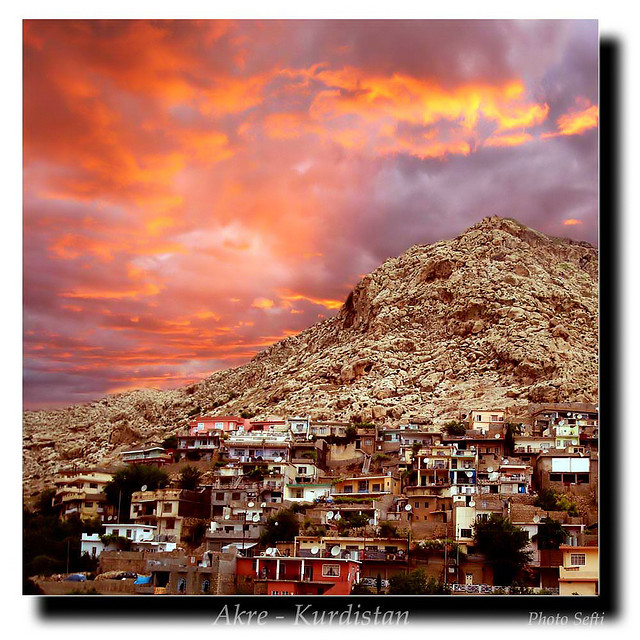
Akre, Kurdistan, Ninawa, Iraq. Photo by Jan Sefti.

Regionally, Kurdistan occupies about 74,000 square miles. There are between 25 and 30 million Kurds, most of whom live in one of those four Kurdish regions, though some do reside in other regions.

It is pretty remarkable that an ethnic group of that size doesn't have its own state, in fact, the Kurds are commonly thought of as one of the world's largest nationless ethnic groups. The only country where they've really come close to independence is Iraq--they actually govern themselves semi-autonomously there.

The Kurds are known to be fierce soldiers--they're called Peshmerga, which means "those who face death." They have a reputation as being particularly effective compared to the Iraqi military, though not quite effective enough (so far) to deal with some of the recent violence that's been happening over there.

Until pretty recently, the Kurds were a nomadic people, so traditional Kurdish cuisine is what you would probably expect to find in a culture that once depended economically on animal husbandry. Modern Kurdish cuisine has also taken influence from neighboring cultures: there are Arab, Turkish and Persian influences in the food, too. Here are the three dishes I decided to make:

Xorsht Fesenjan (chicken with pomegranate molasses and walnut)
(from Faranak's Kurdish Kitchen)
  • 1 tbsp olive oil
  • 1 medium onion, diced
  • 1 whole chicken, cut up
  • 4 cups water
  • 4 cups ground walnut
  • 1 cup pomegranate molasses
  • 1 to 2 tbsp sugar
  • Salt to taste
  • Pinch of saffron
  • Pinch of cayenne pepper (optional)
Purgach (Shepherd's Bread)
(from Kurdish Cuisine)
  • 8 1/2 cups flour
  • 1 3/4 cups Greek yogurt
  • 1 tsp salt
  • 3 eggs
  • 2 1/2 sticks margarine
Brinji Sor (Kurdish Red Rice)
(from My Awesome Things)
  • 1 1/2 cups Basmati rice
  • 1/2 cup oil
  • 1 onion, chopped
  • 2 tbsp tomato paste
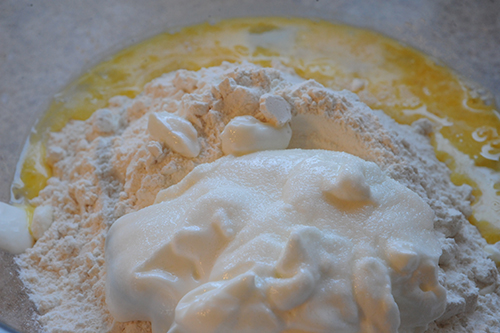
Let's start with the bread. First, mix together the yogurt, egg and salt. Place the flour in a separate bowl and pour the egg and yogurt mixture over it.


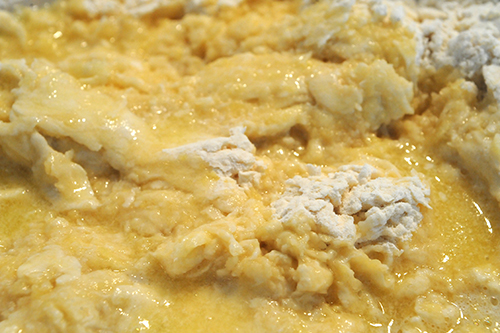
Knead until you get a soft dough. Now melt the butter and pour it over the dough.

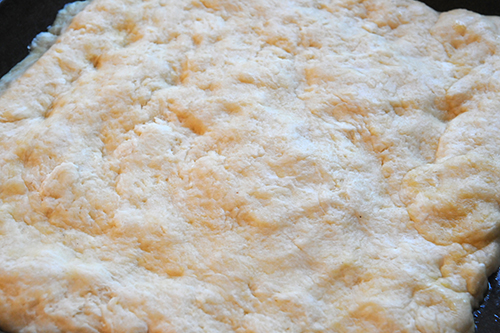
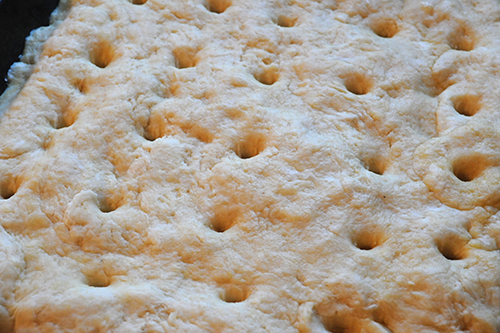
Keep kneading. When the dough starts to become firm, spread it out in a metal cookie sheet.

Poke holes in it with your finger at intervals of about two inches.

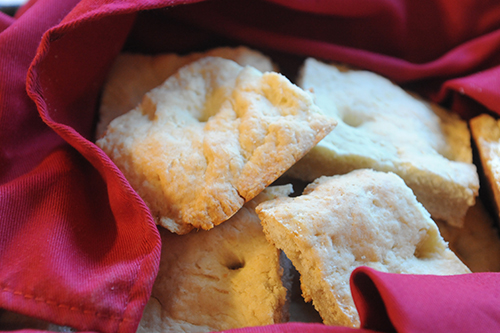
Bake at 400 degrees for 50 minutes, then turn off the oven and let rest inside for another 10 minutes. (Note: mine took less time than that, so keep checking it. It's done when it's a golden color.)

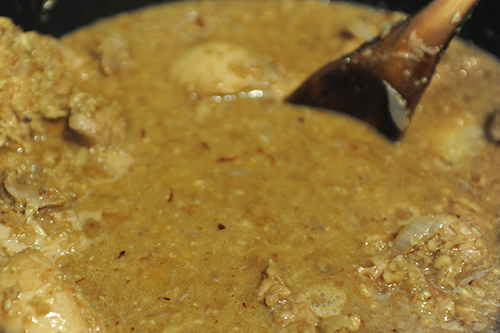
Next, the chicken. First heat up the oil in a large pot and add the onion. Saute until translucent. Add the chicken pieces and let cook on both sides until brown. Add the water and ground walnut.

Now add the pomegranate molasses (regular molasses isn't really a substitute) and the sugar. Finally add the salt, saffron and cayenne (if using). Bring to a boil and then let simmer for one hour or until a meat thermometer registers 175 degrees when inserted into the thickest part of the thigh (note that 165 is actually a safe temperature, but I find that the texture of dark meat is still a little bit unpleasant at 165). The sauce should be pretty rich and thick by the time it's ready to serve.

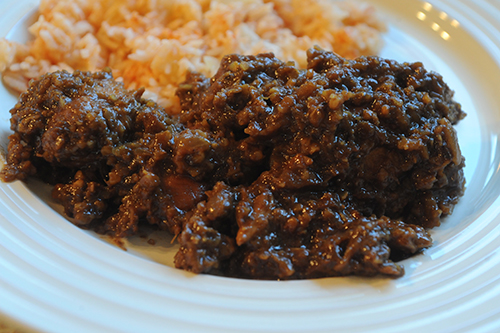
Yeah, it looks kind of like a train wreck. But oh, so good.

Now for the rice. First rinse it until the water runs clear, then toss it into boiling water for 7 minutes. Meanwhile, heat the oil in a medium-sized pan and lightly saute the onion.

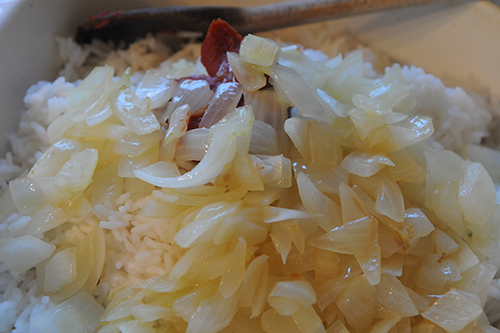
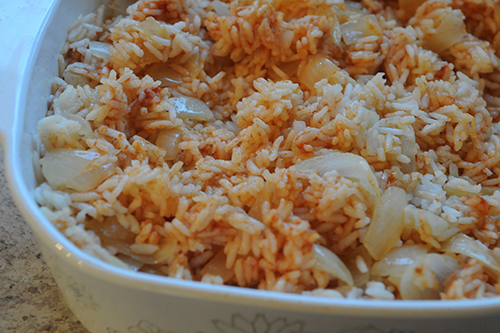
Drain the rice and transfer to a casserole dish and stir in the onions. Mix the tomato paste with the oil and then pour over the rice. Mix well and cover the dish. Place in the oven at 350 degrees for 10 minutes.

Martin raved and raved about the chicken. It was pretty delicious. The sauce actually reminded me of a totally unrelated dish I make with oil-packed sundried tomatoes--it had that really sharp, rich flavor that was similar in a weird way to that sundried tomato sauce. The rice was good too, a nice texture if not really terribly unusual. And we all liked the bread. It was crispy and soft at the same time and was really great for soaking up all that extra yummy sauce.

Yes, I will be making chicken in pomegranate molasses again, provided I can find a good source of pomegranate molasses. It's funny, I actually had some in my pantry already, left over from another Travel by Stove recipe. Martin thinks I'm probably one of only a few people in US who can look at most recipes that use unusual ingredients and go, "Yeah, I'm pretty sure I already have some of that." Although, I have to say I'm constantly amazed by how many strange and wonderful ingredients there actually are in the world.

Next week: Kuwait

Thursday, August 7, 2014

Recipes from Khyber Pakhtunkhwa and FATA, Pakistan

So last week, we took off for the coast on Wednesday morning. I had my blog all lined up and ready to post on Friday night, and then we got home on Friday night and I ... forgot. In fact, I forgot all the way up until Tuesday, and by then I was like, I might as well just skip the week and post it on Thursday. So that's what I'm doing. :)

Anyway, I have a new arch nemesis. Before, it was fufu. Before that, it was shrimp paste, but shrimp paste and I have developed an understanding. I don't look at it directly or inhale in its presence, and it can be in my food in small quantities. As for fufu, well, I'm just not going to make it anymore because you can't develop an understanding with something you don't understand.

This week I've met a new rival, and its name is Seekh Kebab. Don't get me wrong, there's nothing wrong with the flavor of Seekh Kebab, it's the implementation. I'm fairly sure this recipe was designed just to make people crazy.

Seekh Kebab is a favorite food of Khyber Pakhtunkhwa and FATA in Pakistan. FATA stands for "Federally Administered Tribal Areas" and is one of those places where they will stone women to death for heinous crimes like possessing cellphones. Abbottabad is in Khyber Paktunkhwa, which you may know as the town that sheltered Osama bin Laden until he was killed in a US operation in 2011. So I think it's fair to say it's not really a very friendly place, hence recipes like Seekh Kebab.

No one goes to these places, and no one takes photographs.
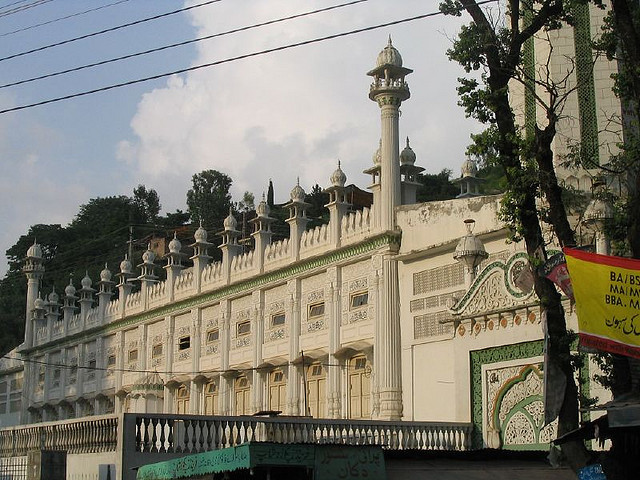
This shot of Ilyassi Mosque in Abbottabad was the best I could find.
Photo by Shahzada Hatim.

I really don't know what to say about either one of these places, because while I hate to criticize entire regions Khyber Pakhtunkhwa and FATA have really got some problems. Now, I know that plenty of good people are born in bad places, so I don't mean to toss a blanket insult at anyone, but when you're talking about a place where women are legally permitted to vote but are threatened with violence if they do, well, what more can you add really. Besides all that stuff about stoning.


So I chose three recipes this week and just about put myself off of blogging in the process. Here they are:

Seekh Kebab
(from BBC food)
  • 1/2 lb ground lamb
  • 1 onion, sliced
  • 1 inch piece fresh ginger
  • 2 cloves garlic, roughly chopped
  • 1 green chilli, seeded and chopped
  • 1 cardamom pod, seeds only
  • 1/2 bay leaf
  • 1 tsp cumin seeds
  • 1/2 tsp ground black pepper
  • 1/2 tsp garam masala
  • 1 large handful fresh cilantro, roughly chopped
  • 1 egg yolk
  • Besan (chickpea flour) as needed
Kabali Pulao
(from Hala Pakistan)
  • 2 1/2 cups basmati rice
  • 3 tbsp olive oil
  • 1 medium onion, chopped
  • 1 1/2 lbs ground beef
  • Salt and pepper to taste
  • 1 large carrot, peeled and julienned
  • 2 tbsp raisins
  • 2 1/2 cups water
  • 1/2 tsp salt
  • 1 tsp garam masala
  • 1/8 tsp saffron
Burrani
(from The Afghan Forum, which I know isn't Pakistani, but I believe it is the same recipe)
  • 3 cups flour 
  • 1 cup warm water
  • 1 1/2 tsp active dry yeast
  • 1 tbsp sea salt
  • 3 large potatoes*
  • 1 medium onion
  • 1 tsp coriander seeds
  • Salt and pepper to taste
  • 1/2 tsp red pepper
  • 2 tbsp oil (more if needed)
* 3 large potatoes was way too much for the amount of dough this made. Try three small to medium sized potatoes instead.

OK let's start with the Seekh Kebab and get that over with.

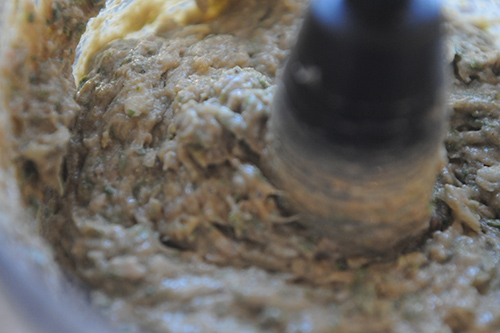
First, soak eight wooden skewers in cold water for about 10 minutes. Now put all the ingredients except the besan into a food processor and pulse until combined. I have a feeling this is really where I went wrong. When you put ground lamb into a food processor you get mush.

This is what happens when you put ground lamb in a food processor.

Here's what I think you should do instead: put everything but the lamb meat and the besan in the food processor and pulse until you get a paste. Then transfer to a bowl with the lamb and mix with your hands. Add besan as needed to help bind the ingredients together.

Now shape the meat into cylinders around the skewers. Grill the kebabs 3 to 4 minutes on all sides until done.

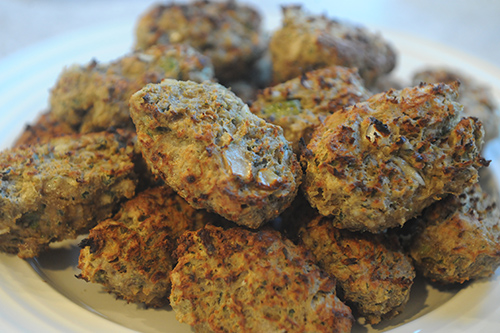
Anyway, here's what happened to me: my mixture came out of the food processor a liquified mess. I could not have shaped the stuff into anything but a wet splat, let alone made them actually stay on a skewer long enough to cook. So I dumped a ton of besan into my mixture (which was not actually an ingredient in the BBC recipe, I only found out it was an option while desperately trying to save what I'd already done to my ingredients). In the end I got something I could shape, but there was no way I was going to get it to stick to a skewer. So I made meatballs out of mine and cooked them under the broiler. It worked, but it wasn't exactly kebabs.

I had better luck with the rice: first rinse the rice until the water runs clear, then soak in fresh water for 30 minutes or more.

Preheat your oven to 325 degrees. Fry the onions in 1 tbsp of the oil until brown. Remove and place in a blender. Grind to a paste and set aside.

Now add the beef (I actually used ground lamb in mine, which was overkill with the kebabs but I was having a bad day and I really didn't want to have to defrost hamburger). Anyway brown the meat and then pour in a cup of water and salt and pepper to taste. Bring to a boil, then reduce heat and cover. Simmer until tender.

Remove the meat from the broth and set aside. Put the onion paste into the broth and mix well.

Now heat another tablespoon of oil in a small pan and add the carrots. Saute until lightly browned, then add the raisins. Remove from the oil when the raisins start to swell.

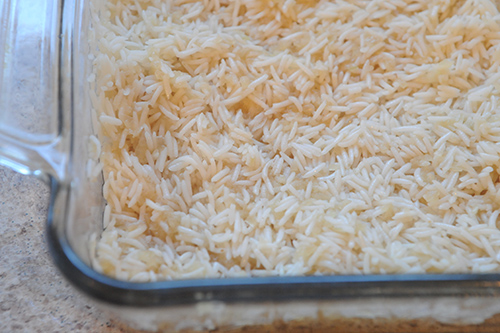
Boil the water with the salt. Drain the rice and add to the boiling water. Parboil for three minutes, then drain and transfer to a casserole dish. Sprinkle with the garam masala and saffron.

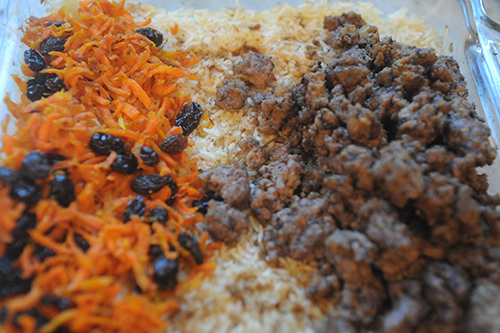
Pour 1/4 cup plus 2 tbsp of the beef broth and onion mixture over the rice. Now put the meat on one side of the casserole and the carrots and raisins on the other. 
Pour the rest of the cooking oil over and bake at 325 degrees for 25 minutes.

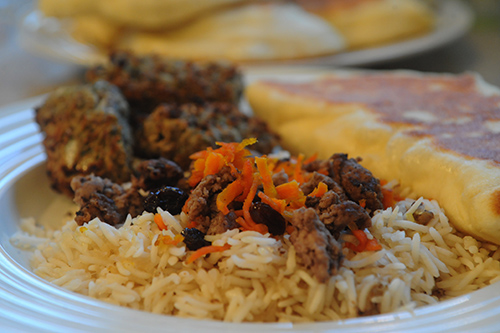
When done, remove the beef and carrot/raisin mixture. Fluff the rice and transfer to a platter. Top with the meat and garnish with the carrots and raisins.

Now on to the burrani. First mix the flour, water yeast and salt together and let rise for an hour. Roll the dough into small balls (they should fit in your palm) and cover with plastic wrap. Let rest for 10 or 15 minutes.

Meanwhile, boil the potatoes and fry the onions in oil until lightly browned. Mix the onions and potatoes together and add the coriander, salt and pepper and red pepper to taste.

Flatten the dough balls and roll to about the thickness of a tortilla. Spread the potato mixture over half the circle and fold over like a calzone. 

Heat the oil over a medium flame in a frying pan and fry the bread on both sides until golden.

OK so here's what we thought. The kebabs tasted like kebabs that had too much flour in them, because they were, you know, kebabs with too much flour in them. Definitely do not put this mixture in a food processor, it is a very bad idea. Not sure what the authors of the original recipe were thinking, unless they weren't starting with ground lamb. Once all that flour had been added the texture was really pasty and not very nice, but the flavor was good. Really good, in fact. But the experience of making them was so negative that I'm not sure I would personally go back and try it again, even though I'm pretty sure I know what went wrong.

If the name Kabali Pulao sounds familiar to you, it's because I made a version of it waaay back in Afghanistan, in the very early days of this blog. This version is really similar to the one I made back then, with slightly different ingredients and a different technique. In my defense, I tried to find a rice dish that was wholly Pakistani but I was running out of time, as I always seem to be doing these days. Anyway this was good, and after eating it I decided once and for all to never again boil basmati rice because the oven method results in infinitely better texture.

The bread was, of course, my kids' favorite part of the meal, which surprised me a little because although they are fiends for bread they aren't that crazy about mashed potatoes, especially when they have spices in them. But fried bread, you know, you really can't go wrong. This is something I would make again, if I can block the whole kebab experience out of my head.

Next week: North Korea

Saturday, June 7, 2014

Recipes from Jordan

I actually don't have time to do a blog post this week, either, which you probably ascertained based on the fact that it's the early morning hours on Saturday and I'm just now getting around to posting. I guess I can't get away with avoiding it two weeks in a row, can I? How come I don't remember the last couple of weeks of school being this crazy last year? Oh yeah, it's because of that whole job thing. I really need to figure out a way to make money without actually working.

So this week it's Jordan, and to be honest, I really can't remember a whole lot about this meal because it was so danged long ago now, and these days my brain only maintains information for maybe a day or two. I seem to remember that it was good, but not fabulous.

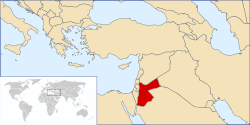
So with that glowing recommendation, let's start with the usual who-where. Jordan is an Arab nation located on the banks of the Jordan River. It borders Saudi Arabia, Iraq, Syria, Palestine, Israel and the Dead Sea, so it's really almost exactly in the middle of all the recent noise in that part of the world.

I won't come right out and say that Arab nations are bad places to live, but Jordan ranks as one of the better in terms of economy and democratic reforms. However it still performs pretty abysmally when it comes to things like civil liberties and corruption. Still, that doesn't stop the tourism--at least 10 percent of Jordan's economy comes from that industry. People flock to Jordan to see its cultural and historic sites, to have fun on the shores of the Dead Sea and for Eco-tourism in places like the Dana Nature Reserve. Oh and there's a ton of nightclubs, too.

The Temple of Dushares, Jordan. Photo by Dennis Jarvis.

Cuisine: I'm sure it won't surprise you to hear that Jordan's cuisine is similar to the cuisine of neighboring nations. Food is very important culturally--every meal is a celebration and guests are always lavished with meals, regardless of how wealthy or poor the hosts may be.

So here are the recipes I chose and yes! It's all coming back to me now.

Chicken Mansaf 
(from The Middle East Kitchen)
  • 1 whole chicken, cut up
  • 1 large onion, finley chopped
  • 2 cloves garlic, crushed
  • 3 cups plain yogurt
  • 1 egg
  • 1 tsp cumin
  • 1 tsp turmeric
  • 1 tsp chili powder (optional)
  • 1 cup almonds, toasted
  • 1/2 cup pine nuts, toasted
  • Parsley to taste, finely chopped
  • Salt and pepper to taste
On the side:

Mujadara (lentil spice rice with carmelized onions) 
(from Chef in Disguise)
  • 1 tbsp olive oil
  • 1 cup short grain rice
  • 1 cup lentils
  • Water as needed
  • 1/2 tsp cumin
  • 1 tsp allspice
  • 1/4 tsp coriander
  • 1/4 tsp cinnamon
  • 1/4 tsp cardamom
  • 1 1/2 tsp salt
  • 1 large onion, cut into strips

And this really oddly-named thing:

Ka3ek bel semsem 
(also from Chef in Disguise)
  • 3 to 3 1/2 cups all-purpose flour
  • 3 eggs
  • 2 tbsp powdered milk
  • 3/4 to 1 cup lukewarm water
  • 1 tsp vinegar
  • 1 tbsp yeast
  • 1 tbsp sugar
  • 1/4 tsp salt
  • 1 egg beaten
  • 1 tsp vinegar
  • Sesame seeds
  • Anise seeds (optional)
OK, here's how to make this meal: First put the chicken in a large stock pot and cover with water. Add a pinch of salt and then bring to a boil. Reduce heat to medium and let simmer for 35 to 45 minutes. When the chicken is cooked through, drain and set aside, reserving about a half cup of the broth.

In a large pot, saute the onion and garlic over medium heat for two or three minute or until fragrant.  Now add the yogurt and spices. Stir until blended, then slowly whisk in the beaten egg. Add a little bit of stock from the boiled chicken (you don't need to use the whole half cup, just use enough to give the sauce a nice creamy texture, not too thin).

Add the chicken pieces and cover the pot. Cook over low heat for 10 to 15 minutes, or until warmed through. Serve over basmati rice (I served it with the mujadara) and top with the nuts and parsley.

Now for the the mujadara:

Put the olive oil in a large pan and saute the onions over medium heat until they turn a rich caramel color. Drain, reserving the oil.

Wash the rice and soak for 10 to 15 minutes.  Meanwhile, put the lentils in a pot and add water until it's about an inch above the lentils. Bring to a boil, then reduce heat and simmer until the lentils are tender. Add the rice, spices, reserved oil and salt to taste. Now add a little more water and bring to a boil.

This is an imperfect science, by the way. You want the water to be about a half inch above the contents of the pot, but you'll need to keep checking to make sure that the rice cooks all the way and doesn't burn at the bottom. The idea is to cook until all the water is absorbed.

Fluff with a fork and top with the onions.

Finally, that bread with the really weird name:

Proof the yeast in 3/4 cup water with the sugar. Let stand until frothy.

Now mix the flour together with the salt, powdered milk, eggs and vinegar. Rub the wet ingredients into the flour the way you would rub butter into pastry. 

Now pour in the yeast mixture and knead for 10 minutes until you get a smooth dough (the recipe says it should be "slightly sticky"). Add a little more water or flour if you need to.

Transfer the dough to a greased bowl, cover and let rise in a warm place until doubled in bulk.

Cut into four parts and roll each one out until it is an elongated rectangle. Roll up lengthwise so that you get a snakelike piece of dough and then shape into a ring.

Beat the eggs and add the vinegar, then paint over the dough with the egg mixture. Sprinkle on the sesame seeds and anise seeds (if using).

Preheat your oven to 500 degrees. The dough should rest while the oven warms up. Bake for 5 to 7 minutes, then reduce the heat to 400 degrees and bake for another 7 to 10 minutes, or until golden. Let sit for five minutes and serve warm.

Now that this has all come back to me I will say that I did like the mujadara. I think it was the caramelized onions that made the dish, but it was quite flavorful and a nice change from just plain boiled basmati. The chicken was good too, but it needed something. I'm not sure what. The flavor was really mild, which in itself is not a bad thing (I've been trying to convince my husband of this fact since I started this blog--he seems to think every blog meal must be an explosion of wild exotic flavors or it's no good). But this particular mildness almost bordered on bland. Maybe just a little extra seasoning, because it definitely had all the components of good flavor.

The bread was good, but it too needed a touch more salt. Maybe they're just not that big on seasoning in Jordan? Anyway my kids were excited for a second because they thought I was making giant doughnuts. But bread of almost any kind is rarely disappointing to them so they weren't too irritated with me when I broke the news that it wasn't actually a dessert.

So whew, I got through that post and I would go curl up in my bed and sleep for a few days if it wasn't for the fact that it's Saturday morning and I still haven't finished all my work for this week. Sigh. Time to start playing Lotto.
Calabria, Italy

Next week: Calabria, Italy


Copyright 2023 Becki Robins and Palfrey Media.. Powered by Blogger.

Blog Flux

Blog Directory